Quick answer
No fixed number applies. A whiplash-type soft tissue case usually resolves for modest sums, up to about thirty thousand dollars, while head trauma leaving permanent mental deficits can reach six or seven figures. California classifies buses as common carriers held to a high duty of care, and severity, fault and policy limits shape each recovery.
Bus injury compensation can range from about $10,000 to more than $1 million, depending on the severity of the injuries and the circumstances surrounding the crash. When a bus accident occurs, a bus passenger may recover damages for medical bills, lost income, and pain and suffering, and income lost due to injuries. The amount available may increase if the accident occurred because of driver negligence, poor maintenance, a defective part linked to a bus manufacturer, or another driver’s actions. Claims involving a publicly operated bus may also require pursuing compensation from a government agency under the California Civil Code and other applicable laws.
At Novian & Novian, we specialize in catastrophic injury cases and are committed to helping victims recover physically, emotionally, and financially. With no upfront fees and over 35 years of experience, our catastrophic injury lawyers are here to protect your rights every step of the way. Contact us for a free consultation.
This guide explains how much injured victims can recover after a bus accident and the factors that determine the amount.
Table Of Contents
- What Is a Bus Accident Lawsuit and How Is Compensation Decided?
- Common Causes of Bus Injuries
- What Are the Average Settlement Amounts for Bus Injury Compensation?
- What Factors Determine Liability in Bus Accident Compensation Claims?
- What Factors Affect Bus Injury Settlement Amounts?
- The Novian & Novian Five-Factor Settlement Framework
- What Type of Compensation Can I Get for a Bus Accident?
- What Are the Steps to Take After a Bus Accident Injury?
- How Do You File a Bus Accident Claim?
- Need a Personal Injury Lawyer?
- Frequently Asked Questions
What Is a Bus Accident Lawsuit and How Is Compensation Decided?
A bus accident lawsuit is a type of personal injury lawsuit filed after a crash involving a public or private bus. Anyone hurt in the crash can usually file. That includes an injured passenger on a city bus, a pedestrian, a cyclist, or the driver of a car the bus struck. Families can also file when a crash causes a death.
In our experience, bus accident claims often involve more moving parts than a typical car accident case. We have found that disputes over government filing deadlines, missing maintenance records, and disagreements about future medical care frequently become the biggest obstacles to obtaining full compensation. Early investigation and preservation of evidence can make a substantial difference in the value of a claim.
California treats buses as common carriers. Common carriers are bound by strict safety regulations and owe riders a high duty of care. When a bus company falls short of that duty, an injured passenger has solid footing to seek compensation.
Compensation in these cases falls into two groups. Economic damages reimburse measurable financial losses: medical bills, future treatment, lost wages, and reduced earning capacity. They give objective, dollar-for-dollar repayment for what the crash cost you. Non-economic damages cover pain and suffering, emotional distress, and the loss of normal daily life. Some cases also support punitive damages when conduct was reckless.
The value of any claim turns on a handful of factors. Injury severity matters most. A broken wrist that heals does not carry the weight of a spinal cord injury or a brain injury. Clear liability raises value, while shared fault lowers it. Insurance limits and the identity of the potentially liable parties also shape the final number.
Bus driver negligence sits at the center of most claims. Distracted driving, speeding, fatigue, and running lights are common forms. When the driver works for a school district, a city transit agency, or a private tour company, that employer can share liability for the driver’s conduct.
Common Causes of Bus Injuries

Bus accidents can result from a wide range of causes, many of which involve negligence or failure to follow traffic laws. One of the leading causes of injuries in bus accident cases is driver negligence. This can include distracted driving (e.g., texting, talking to passengers), speeding or reckless driving, ignoring traffic signs, and driving while fatigued or under the influence. In such cases, the bus driver and potentially the bus company can be held responsible for the injuries sustained.
Another cause of bus injuries is mechanical failure or poor maintenance. When mechanical failure, such as brake failure, tire blowouts, or engine issues, leads to an accident, the bus company or maintenance provider may be liable. This is especially relevant with charter buses or private bus companies.
Bus injuries could also be caused by road conditions and external factors. It could be due to poorly maintained roads, construction zones, hazardous weather conditions, or the actions of other vehicles involved in the accident. These situations may involve multiple parties, including government entities, in your personal injury lawsuit.
However, not all bus accidents are caused by the driver. Injured victims may be harmed by passenger negligence, such as blocking exits, distracting the driver, or acting violently on board. In rare cases, passengers themselves may be liable parties.
What Are the Typical Injuries From Bus Accidents?
The injuries sustained in a bus crash can range from minor to life-altering. They include:
- Whiplash and neck injuries: Sudden stops or collisions often cause whiplash or other neck injuries, leading to long-term physical pain, limited motion, and medical treatment costs.
- Broken bones and fractures: Fractured limbs and broken ribs are common in serious injuries from bus accidents. These injuries often require surgery, rehabilitation, and time away from work, justifying a strong bus accident claim.
- Traumatic brain injuries (TBIs): A blow to the head in a bus accident can result in a traumatic brain injury, which may cause cognitive impairments, memory loss, or emotional difficulties.
- Spinal cord injuries: Damage to the spinal cord can cause partial or full paralysis. These are among the most devastating bus accident injuries, often requiring lifelong care.
- Soft tissue injuries and bruises: Though sometimes considered “minor,” soft tissue injuries can cause ongoing pain, reduced mobility, and even chronic conditions.
- Cuts, Scrapes, and Contusions: These may seem less severe but can result in infection, scarring, and emotional trauma, particularly for bus accident victims.
- Internal injuries and organ damage: These hidden injuries are potentially life-threatening and require immediate medical attention. Common causes include blunt force trauma from hitting seats, windows, or the floor of the bus involved.
What Are the Average Settlement Amounts for Bus Injury Compensation?
Settlement figures for bus injury claims vary widely, so any average is not a forecast for your case. Nationwide, minor bus injury claims often resolve in the low five figures. Serious cases reach the hundreds of thousands, and catastrophic injuries can settle far higher. The range is wide because no two crashes, injuries, or insurance policies match. For a broader benchmark across all injury claims, see our guide to the average personal injury settlement.
A soft tissue injury, such as whiplash or a muscle strain, commonly settles between a few thousand and roughly thirty thousand dollars. A traumatic brain injury sits at the opposite end, where lasting cognitive damage can push settlements into six or seven figures. For more on that category, read our analysis of the average settlement for traumatic brain injury. Severe multi-injury crashes, especially those involving a school bus or a tour bus, often produce the largest recoveries.
So how is an average even calculated? A bus accident compensation calculator adds your economic damages, meaning medical bills and lost wages, to a multiple of those costs that reflects pain and suffering. The multiple rises with injury severity. A calculator gives a rough band, not a promise, because liability disputes and policy limits move the real number.
Several factors drive the variation. Injury severity, the jurisdiction where you file, the strength of the evidence, and the available insurance all change the outcome. Prior settlements in similar cases do not guarantee future outcomes, and each claim stands on its own facts. Other premises and accident cases follow the same logic; for a related comparison, review our data on average slip and fall settlement amounts in California.
What Are Typical Settlement Ranges by Injury Type?
The table below shows general settlement ranges by injury type drawn from national personal injury data, not results from any single firm. Treat them as broad reference points, because your own claim depends on its specific facts and on the disclaimer above. Neck injuries are common in bus crashes; for one injury type in detail, see our breakdown of cervical spine injury settlement amounts.
| Injury Type | Typical Settlement Range | What Drives the Value |
|---|---|---|
| Soft tissue injuries | $3,000 – $30,000 | Recovery time, medical treatment, documented pain, and whether symptoms persist |
| Cervical spine injuries | $50,000 – $300,000+ | Need for surgery, nerve damage, permanent impairment, and ongoing medical care |
| Back injuries | $25,000 – $200,000+ | Severity of disc damage, fusion surgery, chronic pain, and work limitations |
| Traumatic brain injuries | $150,000 – $1 million+ | Cognitive impairment, long-term rehabilitation, reduced earning capacity, and future care needs |
| Catastrophic or multiple injuries | $500,000 – Several million | Permanent disability, life-care expenses, loss of independence, and extensive future damages |
Keep in mind that no two bus accident cases are exactly alike. A minor injury with a quick recovery will not receive the same settlement as a catastrophic injury that leads to a lifetime of disability. That’s why an individual case evaluation by an experienced bus accident attorney is important.
What Factors Determine Liability in Bus Accident Compensation Claims?
Liability in a bus accident claim often extends beyond the driver. Identifying every responsible party is one of the most important steps because it determines the insurance coverage available and the amount of compensation an injured victim may recover.
California also holds bus operators to an unusually high standard of care. Under California Civil Code sections 2100 and 2101, a common carrier that transports passengers for hire must use the utmost care and diligence for their safety, a heightened duty that exceeds the ordinary reasonable-care standard most drivers owe. Because bus lines are common carriers regulated under the California Public Utilities Code, a lapse in meeting these obligations can strengthen an injured passenger’s claim against the operator.
Driver negligence remains the leading cause of bus crashes. According to the Federal Motor Carrier Safety Administration (FMCSA), more than 13,500 bus-related injury crashes occurred in 2021, and driver error contributed to many of them. Distracted driving, speeding, fatigue, failure to yield, and other traffic violations frequently appear in crash investigations. School bus accidents can be particularly devastating. In 2021, school buses were involved in more than 200 fatalities nationwide.
The driver is rarely the only liable party. Bus companies may be responsible for negligent hiring, inadequate training, poor supervision, or skipped maintenance inspections. City transit agencies, school districts, and private contractors can also share liability when unsafe policies, defective equipment, or maintenance failures contribute to a collision. Mechanical problems, including brake, tire, or door defects, may expose manufacturers or parts suppliers to product liability claims.
A victim’s own conduct may affect the value of a claim. California follows a pure comparative negligence system, meaning compensation is reduced by the claimant’s percentage of fault. For example, a person found 20 percent responsible for a crash would recover $80,000 from a $100,000 damages award. Even when an injured person bears some responsibility, they may still pursue compensation. Fault is not always obvious; our look at when a rear-end collision is not your fault shows how liability can shift even in seemingly clear-cut crashes.
Claims involving government-operated buses present additional hurdles. Public entities often have immunity protections that limit lawsuits unless strict procedural requirements are met. In California, the Government Claims Act (California Government Code section 911.2) generally requires injured parties to present a claim against a public entity, such as a city, county, or transit agency, within six months of the accident, and failing to provide the required information can result in dismissal.
By contrast, claims against private bus companies typically carry a two-year filing deadline. Other states impose different notice requirements. For example, New York often requires a Notice of Claim within 90 days when pursuing compensation from a government entity.
Establishing liability also depends on preserving evidence. Prompt medical treatment creates documentation linking injuries to the crash, which is especially important when victims suffer traumatic brain injuries, spinal cord damage, or other conditions requiring long-term rehabilitation. These injuries can diminish a person’s quality of life and lead to substantial economic and non-economic losses. In cases involving gross negligence or reckless misconduct, punitive damages may also be available.
“In our experience, the biggest mistake injured passengers make is assuming the bus driver is always the only liable party,” says Farhad Novian. “Maintenance contractors, manufacturers, transit agencies, and third-party drivers frequently share responsibility, and identifying every source of insurance coverage can substantially affect the outcome.”
What Factors Affect Bus Injury Settlement Amounts?

If you’ve been injured in a bus accident, the amount of bus injury compensation you may receive depends on several critical factors. These factors:
Severity and Type of Injury
The most important factor influencing the value of your bus accident injury claim is the severity of the injuries sustained. Generally, more serious injuries, such as spinal cord injuries, traumatic brain injuries, and compound fractures, lead to significantly higher compensation than minor bruises or soft tissue injuries.
If the accident results in permanent disability, disfigurement, or a major loss of function, the value of the personal injury compensation increases dramatically. Victims who suffer neck injuries, internal injuries, or long-term impairments from the bus crash often require extensive care, which impacts the settlement.
Medical Expenses and Rehabilitation Costs
The cost of medical treatment plays a central role in determining bus accident compensation. For many bus accident victims, recovery involves long-term rehabilitation, physical therapy, and even future surgeries. These medical expenses can add up quickly, especially when treating conditions like spinal injuries or head trauma.
Your personal injury attorney will work to ensure that both current and future medical expenses are factored into your final settlement. To support this effort, it’s important to keep thorough medical records and documentation from the accident scene, as they help demonstrate the full extent and cost of your recovery.
Impact on Ability to Work and Daily Life
Another major factor in determining the value of your bus accident claim is the impact of the injury on your daily life and career. If you’re unable to work while recovering, your lost wages may be included in your claim. For more serious, long-term injuries that reduce your ability to earn income in the future, reduced earning capacity becomes a key consideration.
Injured victims also experience pain and suffering, emotional distress, and a decline in quality of life, all of which are compensable under personal injury law. For example, someone who suffers a debilitating injury after being injured in a bus may struggle with mobility, relationships, and independence. Each of these damages adds weight to the overall settlement value. These non-economic losses are just as important as the medical bills when pursuing fair compensation.
Liability and Degree of Fault
In our experience, establishing liability is essential in any successful bus accident case. The more clearly one party is at fault, the stronger the case for full compensation. However, if you are found to be partially at fault for the accident, comparative negligence laws in states like California may reduce your compensation proportionally.
For example, if you were 20% at fault for the accident, your damages may be reduced by that same percentage. The clearer the police report, witness statements, and accident documentation, the easier it is to establish liability. Cases with clear liability often result in faster settlements and more favorable outcomes for accident victims.
Insurance Policy Limits
Even when you have a strong case, the insurance companies involved can place limitations on your recovery. The insurance policy limits of the bus company, bus driver, or other liable parties determine how much is available for your settlement. Similarly, some government entities operating public transit systems may have statutory limits on how much can be paid out in claims.
When a bus involved in an accident has low insurance coverage and the victim has severe injuries, your personal injury lawyer may need to pursue alternative compensation sources, such as underinsured motorist coverage or third-party claims. A bus owned by a well-insured charter bus operator typically presents greater potential for higher payouts than one covered by a minimal policy.
Legal Representation
Perhaps one of the most overlooked yet most important factors in achieving a favorable settlement is having the right legal representation. An experienced bus accident attorney understands how to evaluate your case, negotiate with insurance companies, and fight for the compensation you deserve.
Skilled attorneys can also uncover liable parties that others may overlook, such as negligent maintenance providers, government contractors, or other drivers involved in the bus crash. Having an expert on your side increases the likelihood of receiving a full and fair settlement, especially in complex bus accident cases involving multiple parties and significant property damage.
If you’re curious to calculate your own settlement, try our calculator:
Personal Injury Calculator

The Novian & Novian Five-Factor Settlement Framework
In our experience, bus accident settlements are rarely determined by a single factor. Instead, insurers, defense attorneys, and courts typically evaluate a combination of issues that affect both liability and damages. To help injured victims understand what drives settlement value, we use the following five-factor framework when assessing bus injury claims.
Injury Severity – Whether injuries are temporary, permanent, or catastrophic.
Liability Strength – How clearly negligence can be established.
Economic Losses – Medical bills, lost wages, and future care costs.
Insurance Availability – The amount of coverage available from responsible parties.
Procedural Challenges – Government claim requirements, comparative fault issues, and evidentiary concerns.
While every case is unique, this framework helps injured victims understand the factors that commonly influence settlement negotiations.
What Type of Compensation Can I Get for a Bus Accident?

One of the most important forms of compensation includes compensation for medical bills. From initial hospital bills, surgeries, and medications to ongoing physical therapy and future treatments, these costs add up quickly for bus accident victims.
Another critical area of recovery is lost wages. If the injuries sustained prevent you from working temporarily or permanently, you may be entitled to compensation for both current and future loss of income. This is especially relevant in cases involving long-term disabilities, reduced earning capacity, or full inability to return to work.
You may also receive compensation for pain and suffering, which includes both physical pain and emotional distress. These damages go beyond the financial and address the mental anguish, anxiety, and decreased quality of life that often follow a bus accident injury claim.
Property damage is another component that may be included in your settlement. If any personal belongings like a phone, laptop, or clothing were damaged or destroyed in the bus involved in the crash, you could be reimbursed for repair or replacement.
In more severe cases, loss of consortium may apply, especially if the accident has significantly affected your relationship with your spouse or family. When accident victims experience life-altering changes due to their injuries, this type of compensation addresses the damage to those personal bonds.
In cases involving permanent scarring or loss of mobility, you may be eligible for compensation due to disability and disfigurement. These injuries not only lead to ongoing medical needs but often cause deep emotional scars and limitations on your lifestyle.
Finally, punitive damages may be awarded if the bus driver, private bus company, or another party acted with gross negligence or intentional misconduct. While not applicable in every case, these damages serve to punish the wrongdoer and deter similar behavior in the future.
What Are the Steps to Take After a Bus Accident Injury?
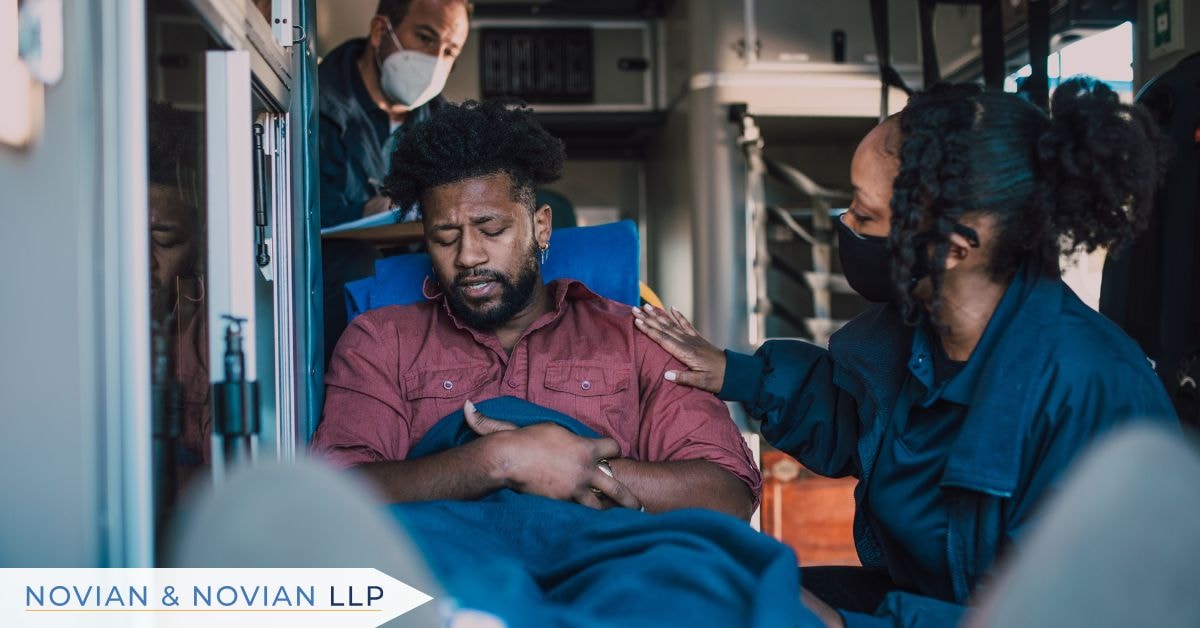
After being injured in a bus accident, what you do next can significantly affect the success of your personal injury claim. First, seek medical attention immediately, even if you believe your injuries are minor. Many internal injuries or head trauma symptoms take time to appear, and prompt evaluation helps establish a medical record vital for the claims process.
Next, be sure to report the accident to the bus company and local authorities. Creating an official police report documents the event and can later help your attorney establish liability. If possible, document the accident scene by taking clear photos and videos of the damage, your injuries, road conditions, and the position of the bus involved.
Gathering witness statements is another important step. Collect names and contact information from anyone who saw the crash, as their testimony may help confirm key facts about the incident. It’s also crucial to keep all medical records, including bills, prescriptions, and treatment notes. These documents provide concrete evidence of the medical expenses and treatment related to the injuries sustained.
While emotions may run high, avoid making statements or admitting fault at the accident scene or during discussions with insurance companies. Even seemingly innocent comments could be used to reduce your compensation.
Most importantly, contact a personal injury lawyer as soon as possible. With an experienced bus accident attorney, you’ll receive expert guidance on how to navigate the legal process, especially if multiple parties or a government entity are involved.
How Do You File a Bus Accident Claim?

Filing a bus accident claim follows a clear sequence, and the early moves protect both your health and your case. The steps below apply whether a city bus, a school bus, or a private tour bus was involved.
Step 1 – Get Medical Attention Right Away.
A prompt exam creates a record that ties your injuries to the crash, even when symptoms surface days later. Skipping care gives an insurer room to argue you were not really hurt.
Step 2 – Gather Evidence at the Scene and After.
Photograph the vehicles, your injuries, and the road. Collect names and contact details for witnesses and the bus operator. Request copies of any accident reports, since police and transit records anchor the timeline.
Step 3 – Identify Who You Are Filing Against.
A claim against a private bus company in California falls under a two-year statute of limitations. A claim against a public entity is different. Public agencies carry sovereign immunity, so California requires a government tort claim within six months of the crash. Miss that window, and the lawsuit can be barred before it starts. Readers outside California face their own clocks. New York, for example, requires a Notice of Claim within ninety days.
Step 4 – Work With a Bus Accident Lawyer Early.
Claims against government entities require strict procedural compliance. They must contain specific details about the crash, the injuries, and the amount sought, and a missing element can get the claim dismissed. An attorney files the right notice, names every potentially liable party, and handles the transit authority or insurer so deadlines do not slip.
Step 5 – Document Every Expense as You Go.
Keep medical bills, pharmacy receipts, mileage to appointments, and proof of missed work. This running file is what turns a pain-and-suffering argument into a number an adjuster has to take seriously.
What sets bus accident claims apart from many other personal injury cases is the potential involvement of government entities, common-carrier duties, multiple insurance policies, and specialized filing deadlines. This guide was designed to explain those issues in plain language so injured victims can better understand the process before speaking with an attorney.
Need a Personal Injury Lawyer?
Not every claim results in a substantial settlement. Some cases involve limited insurance coverage, disputed liability, or injuries that heal quickly, which can reduce the overall value of a claim. While experienced legal representation can improve case presentation and negotiation efforts, no attorney can guarantee a specific outcome.
At Novian & Novian, our team of catastrophic injury attorneys is dedicated to delivering results through strategic advocacy that protects your best interests. Schedule a free consultation with us today!
Frequently Asked Questions
Below are answers to some of the most common questions concerning a bus injury compensation claim after a crash.
How Much Compensation Can You Get From a Bus Accident?
It depends on injury severity, liability, and available insurance, so claims range from a few thousand dollars to several million. Serious injuries with clear fault and high policy limits sit at the top of that range.
How Much Will I Get From a $50,000 Settlement?
Your net depends on what comes out first: legal fees, medical liens, and unpaid bills. After a contingency fee and lien repayment, the take-home from a fifty-thousand-dollar settlement often lands in the twenty-five to thirty-five thousand dollar range.
What Is the Average Payout for a Soft Tissue Injury?
Soft tissue claims such as whiplash commonly settle between three thousand and thirty thousand dollars. The figure rises with longer treatment, documented pain, and lasting limitation.
What Should I Do Immediately After a Bus Accident?
Get medical care, then photograph the scene and collect witness details. Report the crash and speak with a bus accident lawyer before giving any recorded statement to an insurer.
How Is Injury Compensation Calculated?
Bus injury compensation is calculated based on medical expenses, lost wages, future care needs, pain and suffering, and other damages like emotional distress or property damage. The amount may also be influenced by the degree of fault and insurance policy limits.
Can I Sue the City if I Get Hit by a Bus?
Yes, you can sue a government entity, such as the city, if you’re injured by a public bus; however, strict deadlines and notice requirements apply. It’s essential to act quickly and consult a personal injury lawyer who understands government claims.