Quick answer
The trailing driver may avoid blame when the lead car brake-checks, backs into them, cuts in too close, has dead brake lights, or when a pileup pushes them forward. California presumes the rear motorist followed too closely under Vehicle Code § 21703, but evidence can rebut that. Under pure comparative fault, fault can be split and each side's recovery reduced by its share.
Rear-end collisions are among the most common types of car accidents, and the general assumption is that the rear driver is always at fault. However, this is not always the case. In some situations, liability may shift to the front driver or other external factors.
Some situations when a rear-end collision would most likely not be your fault include mechanical failures, unsafe lane changes, non-functioning brake lights, etc. To protect your rights, you should elicit the help of a rear-end collision lawyer who can help you recover damages for medical expenses, vehicle repairs, and lost wages.
If you’ve been involved in a rear-end collision and need help proving fault, we can assist. With over 35 years of experience handling catastrophic injury cases in California, our expert rear-end accident lawyers are readily available for a consultation. Contact us today!
This blog will go in-depth into situations that prove you were not at fault during a rear-end collision. It will also let you know what to do after a rear-end collision.
Table Of Contents
- Is Rear-Ending Someone Always Your Fault?
- What the Law Says About Rear-End Fault in California
- When Is a Rear-End Collision Not Your Fault in California?
- Sudden and Unexpected Stops by the Front Driver
- Multi-Vehicle Pileups and Chain Reaction Crashes
- Front Driver Reverses Into the Rear Driver
- Front Driver’s Brake Lights or Turn Signals Malfunction
- Hazardous Road Conditions or Obstructions
- Front Driver’s Reckless or Illegal Actions
- Extreme Weather Conditions
- Situations Where Rear-End Collision Fault May Not Lie with the Rear Driver
- How Can You Prove You Were Not the At-Fault Driver in a Car Crash?
- What Steps Should You Take Immediately After a Rear-End Collision?
- Step 1: Prioritize Safety and Check for Injuries
- Step 2: Avoid Admitting Fault and Stay Cautious
- Step 3: Gather Strong Evidence at the Scene
- Step 4: Document Factors That Could Affect Liability
- Step 5: Understand Key Legal Exceptions
- Step 6: Account for Multi-Vehicle Collisions and Shared Fault
- In a Rear-End Collision, Whose Insurance Do You Call?
- What Are the Typical Settlement Amounts in Rear-End Collision Cases and What Affects Compensation?
- Rear-End Collision Settlement Ranges in California
- Need Help From an Experienced Car Accident Attorney?
- Frequently Asked Questions
- If someone slams on their brakes and you hit them, is it your fault?
- If you rear-end someone, is it always your fault?
- Who is at fault in a rear-end collision?
- If you hit someone from behind, is it always your fault?
- Whose fault is it when you’re hit from behind?
- Is the rear driver always at fault?
- How long do I have to file a rear-end collision claim in California?
Is Rear-Ending Someone Always Your Fault?

Rear-end collisions are among the most common types of car accidents, and in most cases, the driver who hits another vehicle from behind is considered at fault. The law generally requires all drivers to maintain a safe following distance and be prepared for sudden stops. This means that if you rear-end someone, insurance companies and law enforcement will typically assume that you were not paying attention or following too closely.
There are several common causes of rear-end collisions, including distracted driving, tailgating, and sudden stops. Many accidents happen when drivers are texting, adjusting their GPS, or otherwise not fully focused on the road. Tailgating, or following too closely, reduces the amount of time available to react if the vehicle ahead suddenly stops. Even when a driver is paying attention, unexpected events, such as a pedestrian stepping into traffic or another vehicle cutting in, can lead to abrupt braking that causes a rear-end collision.
While the rear driver is often held responsible, there are exceptions where liability may shift. For example, if the front driver suddenly slams on their brakes for no reason, commonly known as brake checking, they may be considered at fault.
Similarly, if a driver merges into a lane without leaving enough space and gets hit from behind, they may share responsibility for the accident. In cases where a vehicle’s brake lights are not functioning, it may be difficult for the driver behind them to anticipate a stop, which could also reduce or shift liability. Additionally, in multi-car, chain-reaction accidents, the blame may lie with the first driver who caused the initial impact rather than the driver who was pushed into another vehicle.
California follows comparative negligence laws, which means fault can be divided between multiple drivers depending on their level of responsibility. Under California Civil Code 1714, drivers are held accountable for negligence, but the law allows for a percentage of blame to be assigned to different parties. This means that even if a driver rear-ends another vehicle, they may not be 100% responsible if the front driver contributed to the accident in some way.
What the Law Says About Rear-End Fault in California
The presumption that the rear driver is at fault is not a standalone rule. It comes from a specific duty written into the California Vehicle Code, and it can be rebutted with evidence.
Following too closely, California Vehicle Code § 21703. A driver “shall not follow another vehicle more closely than is reasonable and prudent,” accounting for speed, traffic, and road conditions. When a rear driver cannot stop in time, this is the duty an insurer points to first. Source: California Vehicle Code § 21703.
The basic speed law, California Vehicle Code § 22350. No one may drive faster than is “reasonable or prudent” for weather, visibility, traffic, and the road surface. Rain, fog, or a wet road lowers the speed that counts as safe, which is why following distance matters more in bad conditions. Source: California Vehicle Code § 22350.
Pure comparative negligence, Li v. Yellow Cab Co. (1975) 13 Cal.3d 804. California uses a “pure” comparative fault system. A rear driver is not automatically barred from recovering, and a lead driver can be assigned a share of the blame. Each party’s recovery is reduced by their own percentage of fault. Source: Li v. Yellow Cab Co., 13 Cal.3d 804 (1975).
Deadline to file, Code of Civil Procedure § 335.1. Most California injury claims must be filed within two years of the crash. Miss it, and the claim is usually lost. Source: Code of Civil Procedure § 335.1.
The short version: the law assumes the rear driver should have left enough room, but that assumption can be challenged, and fault can be split.
When Is a Rear-End Collision Not Your Fault in California?
Rear-end collisions are often assumed to be the fault of the rear driver, but this is not always the case. While drivers are expected to maintain a safe following distance and be prepared for sudden stops, certain circumstances can shift liability to the front driver or other parties. These exceptions include:
Sudden and Unexpected Stops by the Front Driver
A sudden stop by the front driver is one of the most common scenarios where the rear driver may not be at fault in a rear-end crash. When a driver in front slams on the brakes abruptly without reason, it can be impossible for the rear vehicle to stop safely, leading to an unavoidable accident.
Some cases involve reckless driving behavior, such as brake-checking, where the front driver intentionally hits the brakes to startle the rear driver. Other situations include drivers stopping abruptly in the middle of flowing traffic for no apparent reason or engaging in staged accidents as part of an insurance scam.
While rear drivers are often assumed to be at fault in rear-end accidents, comparative negligence laws allow for a more in-depth investigation into what actually caused the collision. If the lead driver’s actions were unsafe or intentionally caused the accident, they could be held responsible.
Multi-Vehicle Pileups and Chain Reaction Crashes
Multi-vehicle pileups and chain reaction crashes complicate the determination of fault in a rear-end collision. These accidents often occur when one driver in front suddenly stops, causing a ripple effect where multiple vehicles crash into each other.
In some cases, the rear driver who initially crashes into another car is not actually at fault if another vehicle behind them pushes them forward. Determining liability in a multi-car accident often requires accident reconstruction specialists, eyewitness reports, and police reports to analyze the sequence of events.
Furthermore, if another driver’s negligence, such as distracted driving or unsafe driving decisions, caused the initial impact, that driver may be held responsible rather than the rear driver who was forced into another vehicle.
Front Driver Reverses Into the Rear Driver
A rear-end collision is not always caused by the rear driver following too closely. In some cases, the front driver may actually have caused the crash by reversing into the rear vehicle.
This type of accident can happen when a driver mistakenly shifts into reverse at a stoplight or in traffic, leading to an unexpected collision. Parking lot accidents are another common scenario where a front vehicle reverses into another car without warning.
In more serious cases, some drivers may intentionally reverse into a rear vehicle as part of an insurance fraud scheme and then claim that they were hit from behind. Since the rear driver was not in motion or was maintaining a safe distance, they would not be at fault in these cases. Determining fault in such incidents often requires gathering evidence such as dashcam footage, eyewitness statements, or traffic camera recordings.
Front Driver’s Brake Lights or Turn Signals Malfunction
Brake lights and turn signals are essential for communicating a driver’s intentions on the road. If a front driver’s brake lights are not functioning properly, the rear driver may have no way of knowing when the vehicle ahead is about to stop. This can lead to an accident where the rear vehicle is wrongly blamed for failing to stop safely.
Similarly, if a driver makes sudden lane changes without using turn signals, the rear driver may not have enough space to react, increasing the risk of a rear-end collision. Vehicle maintenance is a legal responsibility, and drivers who fail to repair known issues such as broken brake lights or faulty turn signals can be held liable for accidents that result from their negligence.
Hazardous Road Conditions or Obstructions
Poor road conditions and unexpected obstacles can play a significant role in rear-end crashes, shifting liability away from the rear driver. Potholes, road construction zones, and sudden detours can force drivers to brake abruptly, increasing the chances of a rear-end accident. In some cases, objects in the roadway, such as fallen debris or stalled vehicles, may force a driver to stop suddenly, leading to a chain reaction collision.
When hazardous road conditions contribute to an accident, the city, municipality, or construction company responsible for maintaining safe roads may be held liable. If the rear driver’s negligence, such as dropping debris or creating an obstruction, directly led to the accident, they may also be held responsible.
Front Driver’s Reckless or Illegal Actions
In some cases, the front driver’s reckless or illegal actions can be the primary cause of a rear-end accident. Sudden and unpredictable lane changes without signaling, cutting off another driver, and immediately slamming on the brakes, or running a red light and forcing another vehicle to stop abruptly are all examples of dangerous driving that can lead to collisions.
Drunk or impaired driving can also contribute to erratic movements that make it impossible for the rear driver to react in time. Proving fault in these cases often requires strong evidence, including eyewitness reports, police citations, DUI test results, or surveillance footage from traffic cameras or dashcams.
Extreme Weather Conditions
Weather conditions such as heavy rain, fog, snow, and ice can significantly increase the likelihood of a rear-end accident. Reduced visibility can make it difficult for drivers to see vehicles ahead, while icy or slippery roads can increase stopping distances even when a driver is following at a safe distance.
In extreme weather conditions, drivers are expected to adjust their speed and driving behavior accordingly. However, if a driver ahead suddenly stops or drives recklessly despite the weather risks, they may be held responsible for contributing to the accident.
Cities and municipalities may also be liable if roads are not properly maintained, such as failing to clear ice or place warning signs for hazardous conditions. Proving fault in weather-related accidents often involves weather reports, witness statements, and accident reconstruction analysis.
Situations Where Rear-End Collision Fault May Not Lie with the Rear Driver
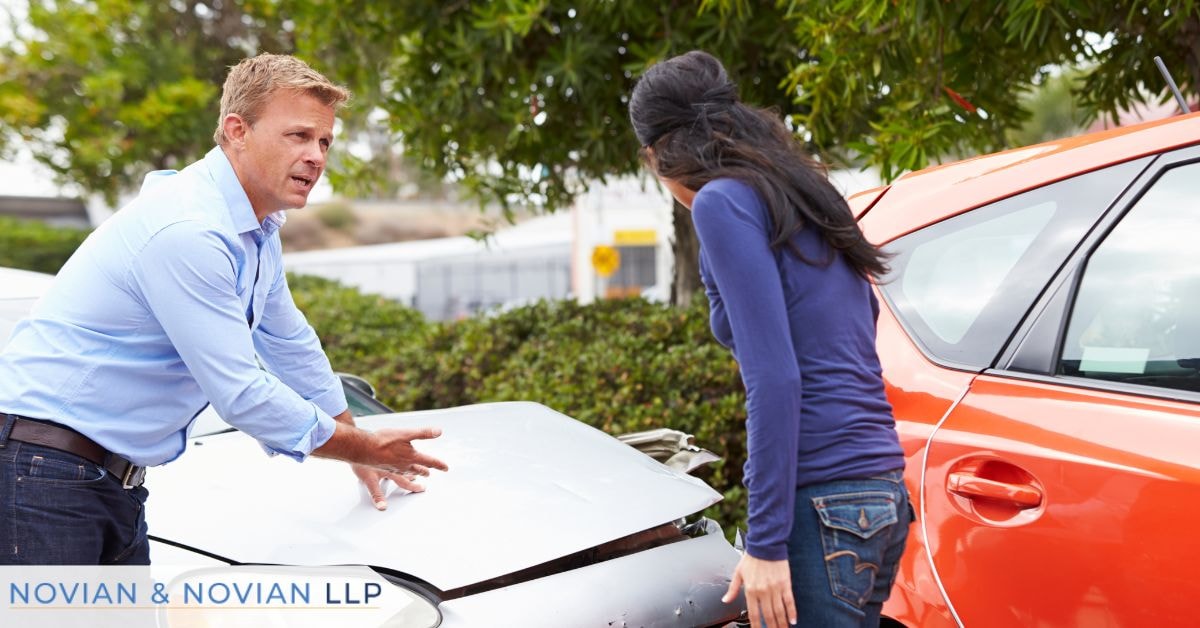
Rear-end collision liability is not always as straightforward as it seems. While the rear driver is often presumed at fault, there are several important exceptions where responsibility may shift based on the facts of the crash. Understanding these situations can help clarify how fault is actually determined and what evidence is needed to support your claim.
| Situation Description | Fault Assessment | Evidence Needed | Typical Outcome |
| Sudden stop by the front driver | The front driver may share or carry fault if the stop was abrupt and unsafe. | Dashcam footage, skid marks, witness statements, traffic camera video | Fault may shift partially or fully to the front driver depending on circumstances |
| Mechanical failure (e.g., brake failure or defective lights) | Liability may shift to the vehicle owner, manufacturer, or repair shop if the failure caused the crash | Maintenance records, inspection reports, expert mechanic analysis, and repair history | Rear driver may be cleared or assigned reduced liability if failure is proven |
| Multi-car pileup (chain reaction crash) | The driver who initiated the first impact is typically responsible for subsequent collisions. | Police report, vehicle positioning, impact sequence evidence, witness accounts | Liability is assigned primarily to the initial at-fault driver, not necessarily the rear drivers |
| Rear driver brake failure | The rear driver may not be at fault if the failure was sudden and unforeseeable | Maintenance logs, brake inspection reports, recall notices, and mechanic testimony | Fault may shift away from the rear driver if proper maintenance is proven |
| Emergency vehicle actions | Fault may be reduced or shifted if a crash occurred due to lawful emergency response maneuvers. | Emergency dispatch logs, dashcam footage, police report, roadway context evidence | Fault depends on whether drivers followed traffic laws during emergency conditions. |
How Can You Prove You Were Not the At-Fault Driver in a Car Crash?
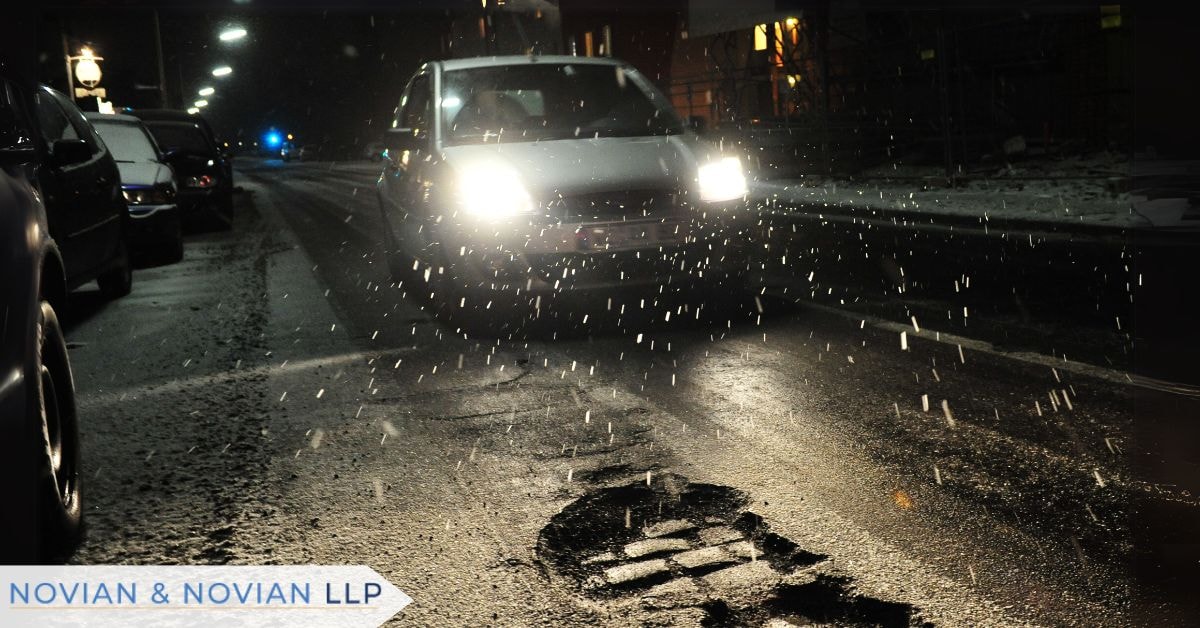
A car crash is stressful enough without being blamed unfairly. If you believe you were not at fault, then your goal is simple. You have to present clear, reliable evidence that shows what actually happened. Insurance companies and law enforcement rely on facts, not assumptions.
Start with safety, then gather evidence as soon as possible. Take photos of the vehicles, road conditions, skid marks, and any visible damage. These details help reconstruct the crash and show whether traffic laws were violated. Environmental factors, such as poor road conditions, can also influence liability.
Report the accident to your insurance company promptly, but do not admit fault at the scene. Statements made in the moment can be used against you later. Seek medical attention right away, even if injuries seem minor. Medical bills and records can support your claim and connect injuries to the crash.
Eyewitness statements can make a major difference. Independent witnesses may confirm that the other driver was speeding, distracted, or impaired. Their unbiased accounts can strengthen your version of events if the other driver disputes it.
Video evidence is often the most convincing proof. Traffic cameras, dashcams, or nearby businesses’ surveillance footage can capture the exact moment of impact. This can reveal whether a driver ran a red light, made an illegal move, or caused a sudden stop. Act quickly to obtain footage, as it is often erased within days.
A police report is another key piece of evidence. Officers document statements, road conditions, and possible traffic law violations. This report often carries significant weight in determining fault. In rear-end collisions, the rear driver is usually presumed at fault.
However, there are important exceptions. If the front driver suddenly reverses, they are typically responsible. If their brake lights are not working, they may also be liable because the rear driver could not anticipate the stop. Laws require functioning brake lights and signals to clearly communicate driving intentions.
Mechanical failures can also shift responsibility. Unforeseeable issues, such as brake or steering defects, may place liability on a manufacturer or repair shop. Keeping maintenance records helps show your vehicle was properly maintained. Liability becomes more complex in multi-vehicle crashes. In chain-reaction accidents, the driver who caused the first impact is often responsible for the collisions that follow. This can reduce or eliminate fault for drivers further back in the sequence.
California follows a pure comparative negligence system. This means fault can be divided among multiple parties, and your compensation is reduced by your percentage of responsibility. Because of this, proving you were not at fault requires strong, consistent evidence, including witness statements, traffic reports, and video footage.
If the situation becomes complicated, a personal injury attorney can help build your case. They can gather evidence, analyze reports, and handle negotiations with insurance companies. If you need help proving you were not at fault, the attorneys at Novian & Novian can review your case and guide you through your legal options.
What Steps Should You Take Immediately After a Rear-End Collision?
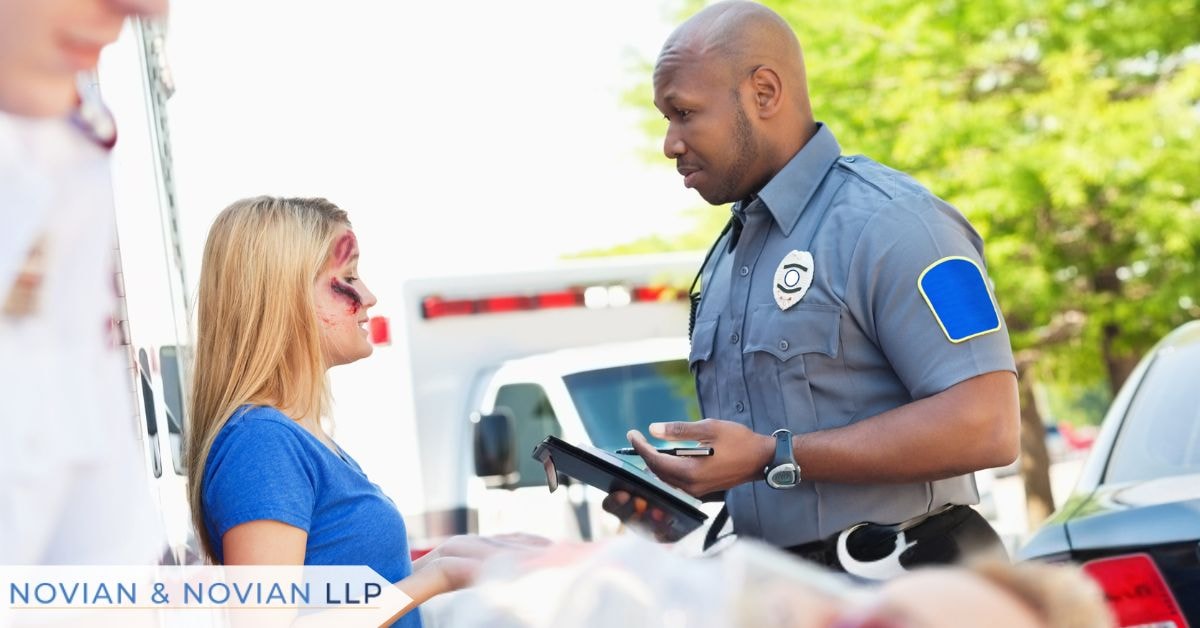
Rear-end collisions can happen in seconds, but what you do immediately afterward can significantly impact your ability to recover compensation, prove liability, and protect your health. From documenting the scene to understanding how California law applies, taking the right steps early can strengthen your personal injury claim and help you deal effectively with the other driver’s insurance company.
Step 1: Prioritize Safety and Check for Injuries
Move to a safe location if possible and check yourself and others for serious injuries, including head injuries or soft tissue injuries. Call emergency services so a responding officer can document the scene. This report is often critical in understanding rear-end collisions and proving fault under California law.
Step 2: Avoid Admitting Fault and Stay Cautious
You should report the rear-end crash to your driver’s insurance company promptly, but avoid admitting fault at the scene, as this can be used against you in a personal injury claim. In California, a rear driver is typically presumed negligent in a rear-end collision unless the lead vehicle caused the accident. This legal presumption of fault can shift depending on the facts.
Step 3: Gather Strong Evidence at the Scene
Collect photos of vehicle damage, road conditions, and traffic signals, along with contact details from witnesses. Proving exceptions to rear driver liability requires strong evidence, including witness testimony, traffic reports, or dashboard camera footage, especially in rear-end collisions in California, where fault is disputed.
Step 4: Document Factors That Could Affect Liability
Take note of anything unusual, such as aggressive driving, distracted driving, speeding, or impaired driving, which are all common causes of rear-end collisions. Environmental factors, such as poor road conditions, can contribute to liability in vehicle accidents, while unforeseeable mechanical failures in vehicles may shift some liability to a manufacturer or repair shop.
Step 5: Understand Key Legal Exceptions
Exceptions to rear driver liability may include sudden mechanical failure or severe weather conditions. For example, if the front driver reverses into the rear driver, the rear driver is typically not at fault, as the front driver initiated the collision. Similarly, if the front driver’s brake lights are malfunctioning, they may be held liable because the rear driver could not anticipate the stop, especially since California’s Vehicle Code mandates functioning brake lights and signals.
Step 6: Account for Multi-Vehicle Collisions and Shared Fault
In accidents involving three or more cars, liability can quickly become complex. In multi-vehicle chain reaction pileups, the driver who initiates the chain reaction is typically held responsible for all subsequent collisions, complicating liability determinations. However, in multi-car pileups, liability may shift based on the involvement of other drivers, including whether a rear driver was pushed into another vehicle by a third party. California follows a pure comparative negligence system, meaning that partial fault can be assigned to multiple parties, affecting how much each person can ultimately recover.
In a Rear-End Collision, Whose Insurance Do You Call?
Many drivers wonder whose insurance to contact after a rear-end collision. Generally, the at-fault driver’s insurance should cover the damages, but determining liability is important. If another driver’s negligence, such as distracted driving, unsafe driving decisions, or mechanical failure, caused the accident, their insurance should be responsible.
However, insurance adjusters may try to shift blame, making it necessary to have evidence like police reports, medical records, and accident scene documentation. Working with an experienced attorney ensures that insurance companies handle your claim fairly. A free consultation with a personal injury lawyer can help determine your legal options and protect you from unfair liability claims. If you have been involved in a rear-end collision and need help proving fault, seek a no-obligation case evaluation today.
What Are the Typical Settlement Amounts in Rear-End Collision Cases and What Affects Compensation?
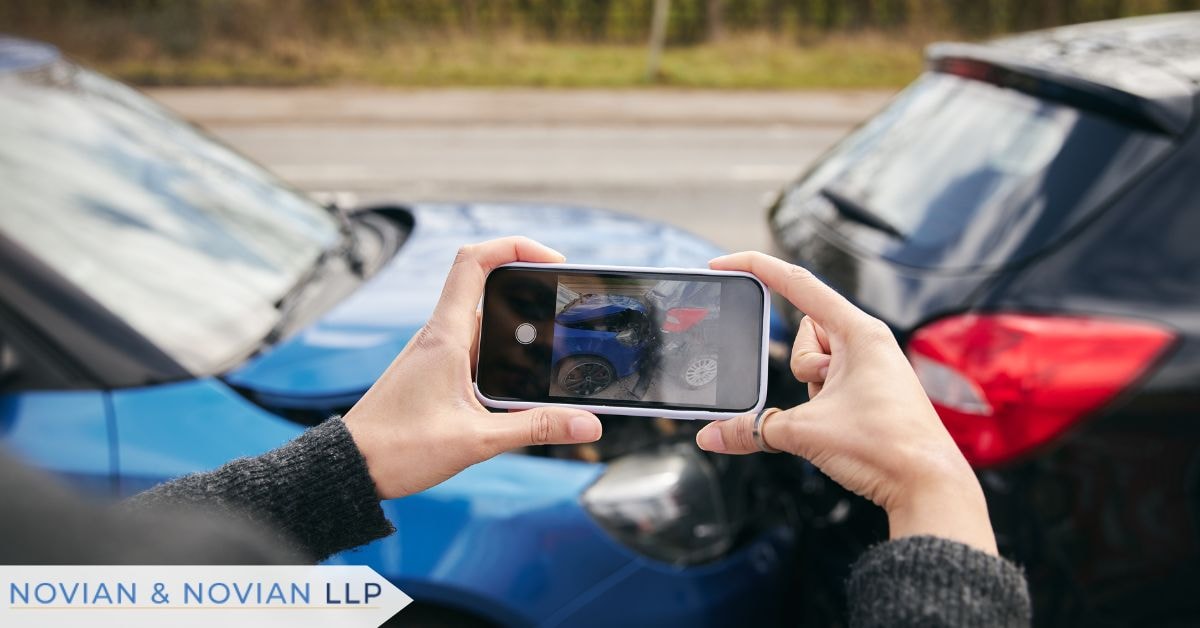
Settlement amounts in rear-end collision cases in California can vary widely. Minor injury cases may settle for a few thousand dollars, while more serious injuries can reach hundreds of thousands of dollars. In severe cases with permanent injury, settlements can exceed that range depending on the facts and insurance coverage available.
Several key factors influence how much compensation a person may receive. Injury severity is one of the most important considerations. Cases involving whiplash or soft tissue injuries generally result in lower settlements, while spinal injuries, fractures, or long-term medical complications tend to increase compensation due to ongoing medical treatment and higher medical bills.
Fault determination also plays a major role. California follows a pure comparative negligence system, meaning compensation can be reduced if more than one party shares responsibility. This becomes especially important in rear-end collisions, where the rear driver is often presumed at fault unless strong evidence shows otherwise.
There are also situations where liability shifts entirely or partially to another party. For example, brake failure or defective lights on the front vehicle can make it difficult for the rear driver to anticipate a stop, which may increase the front driver’s share of fault. In other cases, sudden lane changes, illegal stops, or unsafe reversing can also change liability outcomes.
Insurance policy limits can further restrict or shape settlement amounts. Even when damages are significant, recovery may be limited by the at-fault driver’s insurance coverage unless additional sources of compensation are available.
In our experience, real-world outcomes vary significantly based on evidence. For example, a minor rear-end collision with quick recovery and no ongoing treatment may settle on the lower end of the range. In contrast, a case involving long-term back injuries, clear liability disputes, and strong documentation such as traffic camera footage or witness statements may result in a much higher payout.
Due to this variability, legal representation can be important in maximizing compensation. An experienced attorney can evaluate evidence, challenge unfair fault assumptions, negotiate with insurers, and ensure that all damages, including medical bills, lost income, and future treatment costs, are properly accounted for.
Rear-End Collision Settlement Ranges in California
Settlement amounts depend on injury severity, who shares fault, and the available insurance coverage. The figures below are illustrative ranges tied to injury type, not a promise of any specific result.
|
Injury type |
Illustrative settlement range |
|---|---|
|
Whiplash or soft-tissue, full recovery |
A few thousand to low five figures |
|
Back injury with ongoing treatment |
Mid five figures to six figures |
|
Cervical (neck) spine injury |
Five to six figures, higher with surgery |
|
Traumatic brain injury or permanent injury |
Six figures and up, depending on severity |
For how these numbers are built by injury type, see Novian & Novian’s own settlement guides: cervical spine injury settlement amounts, average settlement for a traumatic brain injury, and how much to expect from a back injury settlement.
These ranges are illustrative. Every case is different, and past results do not guarantee future outcomes. The value of any claim depends on the facts, the evidence, the degree of fault assigned to each party under California’s comparative negligence rules, and the insurance coverage available.
Need Help From an Experienced Car Accident Attorney?
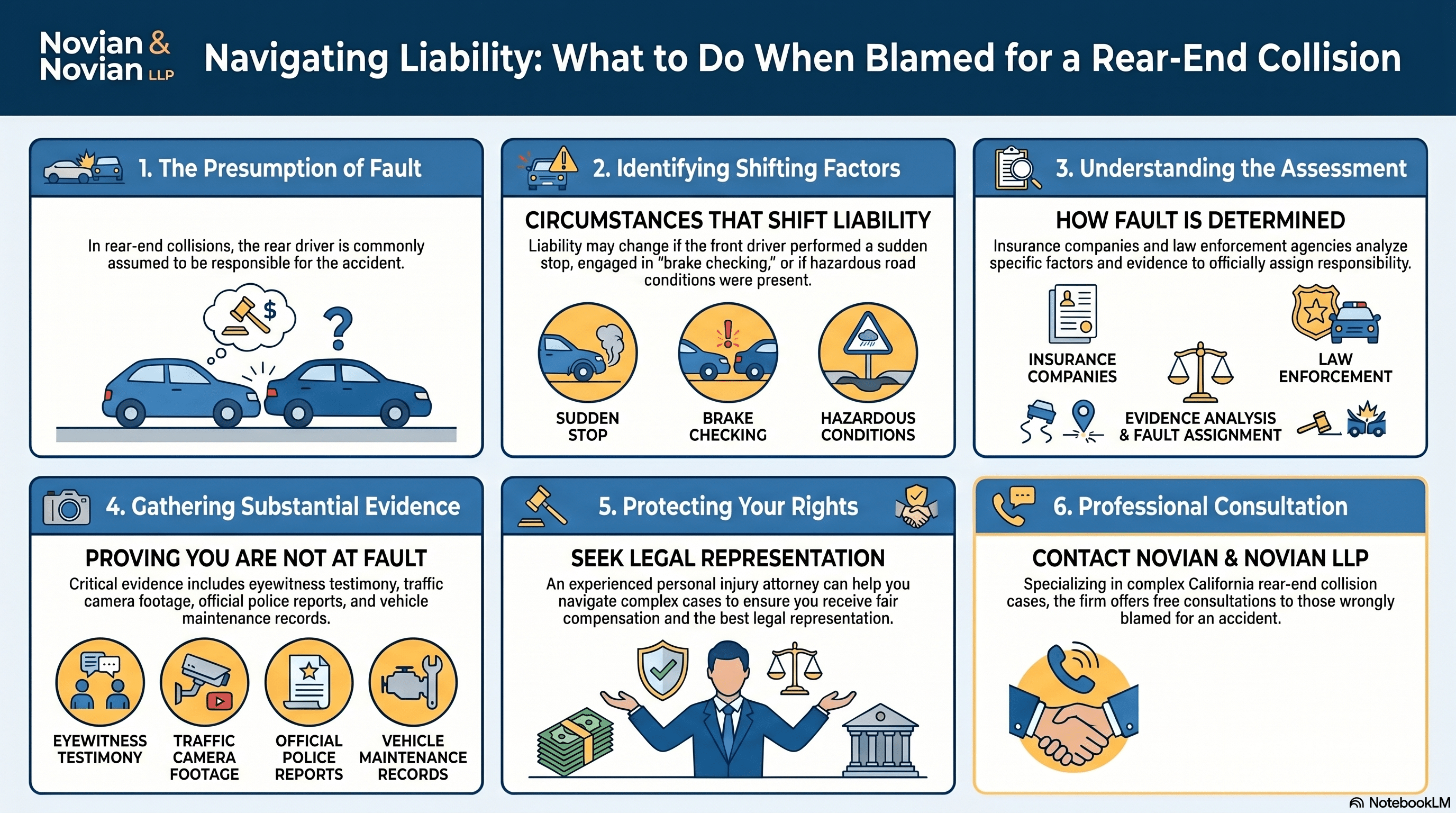
Understanding liability in a rear-end collision is crucial when determining fault. While the rear driver is often assumed to be responsible, certain circumstances, such as sudden stops by the front driver, brake checking, or hazardous road conditions, may shift liability. Insurance companies and law enforcement consider various factors when determining fault, and proving you were not the at-fault driver requires substantial evidence, including eyewitness testimony, traffic camera footage, police reports, and vehicle maintenance records.
If you have been wrongly blamed for a rear-end accident, seeking legal guidance from an experienced personal injury attorney can help you protect your rights and pursue fair compensation. At Novian & Novian, our skilled personal injury attorneys in California specialize in handling complex rear-end collision cases, ensuring that our clients receive the best legal representation possible. Schedule a free consultation with us today!
Frequently Asked Questions
If someone slams on their brakes and you hit them, is it your fault?
Not always. If the front driver stopped for a real reason — traffic, a hazard, a pedestrian — the rear driver is usually presumed at fault for following too closely under Vehicle Code § 21703. But if the stop was sudden, unsafe, or a deliberate brake-check, fault can shift to the front driver. Dashcam footage and witness statements often decide it.
If you rear-end someone, is it always your fault?
No. The rear driver is presumed at fault in California, but that presumption can be rebutted. If the front driver reversed into you, had broken brake lights, cut you off, or stopped illegally, some or all of the fault can move to them. California’s pure comparative negligence system lets fault be divided between drivers.
Who is at fault in a rear-end collision?
Usually the rear driver, because the law expects every driver to keep a safe following distance. The fault can shift, though, when the lead driver does something unsafe — reversing, brake-checking, an unsafe lane change, or driving with non-working brake lights. Fault is decided by the evidence, not just the position of the cars.
If you hit someone from behind, is it always your fault?
No, not in every case. California starts with the assumption that the rear driver should have left enough room, but it allows that assumption to be challenged. When the front driver’s actions caused the crash, they can be held partly or fully responsible.
Whose fault is it when you’re hit from behind?
If you are the front driver and you were hit from behind, the driver who hit you is usually presumed at fault. There are exceptions — for example, if you reversed into them, your brake lights were out, or you made an unsafe lane change and stopped short. In those situations, you may share part of the blame.
Is the rear driver always at fault?
No. “Rear driver is always at fault” is a common myth. The rear driver is presumed at fault, which is different. Evidence such as traffic-camera video, a police report, or proof of a mechanical failure can rebut that presumption and shift fault to the front driver or another party.
How long do I have to file a rear-end collision claim in California?
Generally two years from the date of the crash, under Code of Civil Procedure § 335.1. Claims against a government entity, such as for a dangerous road condition, have much shorter deadlines, often six months to file a claim. Acting early also helps preserve evidence like dashcam and traffic-camera footage, which is often erased within days.