
Strategy | Tenacity | Results
San Francisco Auto Accident Attorney
In this city the person hurt by a car is often not in one. They were crossing at a light, pedaling to work or sitting in the back of a ride they ordered, and plenty of them have never owned a car.
If you've been hurt in a car accident anywhere in the San Francisco Bay Area, you don't have to face insurance companies or legal challenges alone. At Novian & Novian, our auto accident attorneys help injured people pursue payment for medical bills, lost wages, property damage, and pain and suffering, whether or not they own a car themselves.
Written by Matthew Novian, Partner. Reviewed by Brandon Sadigh, Associate. Last updated November 2, 2026. Attorney Advertising.
Read this first
Most San Francisco car accident victims were not driving: the city's crash records and census data
Most of these numbers come from two public sources: the U.S. Census Bureau's 2024 American Community Survey and the injury-crash records that the San Francisco Police Department and the Department of Public Health publish on the city's open data portal. Read them as a map of who ends up filing these claims here.
| Figure | Why it matters to your claim | Source |
|---|---|---|
| 33.0%of San Francisco households have no vehicle (7.4% across California); among renters it is 44.7%, against 12.9% of homeowners | Plenty of injured people here hold no auto policy at all, so the money has to come from somewhere other than "my own insurer". | ACS 2024, tables B08201 and B25044 |
| 36.3%of working residents get to work by car, truck or van (77.4% statewide) | One in four rides transit and one in ten walks, so daily trips put people beside traffic with nothing around them. | ACS 2024, table B08301 |
| 3,602people hurt or killed in 2,944 injury crashes during 2025 | Each of those crashes sits in an SFPD report, and its case number is the first thing any adjuster asks you for. | SFPD / SFDPH victims table |
| 1,844 of 2,944injury crashes in 2025 were filed at the lowest injury level the report allows, "complaint of pain" | That label is the officer's note at the curb, made before any scan or follow-up visit. The treating records, not the report's category, measure the injury. | collision severity field |
| 2,019of those 3,602 were not driving: 654 on foot, 441 on bikes, 613 passengers, 311 other road users such as scooter riders | Fault arguments in these cases turn on crosswalks, bike lanes and opened doors, not on who changed lanes. | SFPD / SFDPH victims table |
| 17 of 25traffic deaths in 2025 came from a vehicle striking a pedestrian | When a crash here kills someone, it is usually a person on foot; the questions below cover who can bring that family's claim. | SFPD / SFDPH crash table |
| 267 of 607pedestrian crashes in 2025 were blamed on a driver or rider not yielding at a crosswalk | The police report often answers the fault question before an insurer starts arguing about it. | primary collision factor field |
| 13driverless vehicles, carrying only a passenger, were parties to 2025 injury crashes (28 more were autonomous cars being driven by hand) | With no one behind the wheel, the other side of the claim is the operating company and its insurer. | parties table, autonomous field |
| $30,000per person is the lowest bodily injury limit a California policy issued or renewed since January 1, 2025 may carry | A serious injury can exceed the other driver's policy fast, which is when the other routes on this page matter. | Vehicle Code 16056 |
Crash figures are for calendar year 2025 and count only crashes in the SFPD system. Collisions handled by the California Highway Patrol, including most freeway and bridge crashes, are not in this data.
No car of your own, still a claim
Hit by a car in San Francisco without one of your own: whose insurance pays
People sometimes assume an auto accident claim belongs to whoever was driving. Here, the claimant could as easily be someone crossing Valencia Street after work or a passenger riding to SFO in a rideshare. How you were moving at the moment of impact decides which policies are in play, so we start there.
On foot
The driver's bodily injury liability coverage is the usual source. When the driver leaves, a claim can still be made against uninsured motorist coverage, but Insurance Code 11580.2 requires physical contact with the car and a police report within 24 hours, so call SFPD before you leave the hospital if you can.
The same subsection adds a second step that people miss: within 30 days of the report, a statement under oath has to be filed with the insurer, saying the claim is against someone whose identity can't be found and setting out the facts. Contact with a car you were sitting in counts as contact, so a passenger in a parked car that gets clipped is covered by the same rule.
On a bike or scooter
San Francisco's dense urban layout and busy streets mean there's constant interaction between vehicles, cyclists, and pedestrians, and areas like SOMA, North Beach, and Golden Gate Park see frequent bicycle and pedestrian accidents.
The bike, the e-scooter, the helmet camera and the phone in your pocket are property damage, a separate line from the injury claim. For property, Vehicle Code 16056 now requires at least $15,000 of coverage for damage to other people's things, up from $5,000. An e-bike or a cargo bike can use most of that on its own.
In an Uber or Lyft
With thousands of ride-share vehicles operating daily, Uber and Lyft crashes come up in every neighborhood, and both the company's policy and the driver's personal insurer can be involved. Public Utilities Code 5433 sets the floor: $1,000,000 in primary coverage from the moment a driver accepts a ride until it ends, and lower limits (at least $50,000 per person, with $200,000 excess) while the app is on and the driver is waiting for a request; that waiting-period policy also has to carry $30,000 for property damage.
Passengers get a second layer that most riders never hear about. From the moment you get into the car until you get out, the company must carry uninsured and underinsured motorist coverage of $60,000 per person and $300,000 per incident, and that coverage comes before any other uninsured motorist policy that might apply to you. It matters when a third car, not your driver, caused the crash and carries too little.
Two more rules in the same section close common gaps. The company's coverage can't be made to wait for the driver's personal insurer to deny the claim first, and if the driver's own rideshare policy has lapsed, the company covers the claim from the first dollar. And the company may lean on a driver's own policy for the $1,000,000 layer only after checking that the policy exists and is written specifically to cover rideshare driving.
A passenger in a friend's car
A ride from a friend is a car accident claim against the friend's insurance. Insurance Code 11580.1 requires a California auto policy to cover anyone driving the insured car with the owner's permission to the same extent as the owner, so it doesn't matter that the car belonged to your friend's roommate.
The exception to look for is a named-driver exclusion. The same section lets the insurer and the policyholder agree in writing that the policy won't apply when a person named in the agreement is driving, and that agreement also removes the uninsured motorist coverage on that policy. If your driver was the excluded person, the car's insurer pays nothing, and the claim moves to the driver's own policy, if any, and to your household's.
Hit by a food or package delivery driver
Proposition 22 wrote a specific backstop for people hit by app delivery drivers. Business and Professions Code 7455(f)(1) requires a delivery network company to keep at least $1,000,000 per occurrence in auto liability insurance for third parties hurt by a driver during engaged time, meaning while the driver is on the way to a pickup or carrying an order, in any case where the driver's car isn't otherwise covered by a policy meeting California's auto insurance law.
So the order history matters as much as the plate: the app's record of whether the driver had accepted a delivery at that minute decides whether the company's policy is in play at all.
Behind the wheel yourself
Your own policy may add medical payments or underinsured motorist coverage in addition to the other driver's limit. One warning from Civil Code 3333.4: a vehicle owner who was driving without insurance generally cannot recover pain and suffering damages, even when the other driver was at fault.
Arbitration and the two-year rule for uninsured motorist claims
Uninsured and underinsured motorist claims follow their own track in California, set out in Insurance Code 11580.2, and it isn't a lawsuit against your insurer. If you and the company disagree on fault or on the amount, the policy has to send the dispute to arbitration before a single neutral arbitrator.
Its deadline is easy to miss because it isn't the usual one. Within two years of the crash, one of three things has to happen: a lawsuit filed against the uninsured driver, a signed agreement with the insurer on the amount, or a formal demand for arbitration sent to the insurer by certified mail with a return receipt. Letters and phone calls with the adjuster don't count.
Underinsured coverage is also smaller than it looks. The insurer pays its limit minus whatever the at-fault driver's insurer already paid, so a $50,000 underinsured policy after a $30,000 payment from the other driver leaves $20,000. And a vehicle owned by a city, a state or another public agency is not an "uninsured motor vehicle" under the statute, so a crash with a government car runs through a government claim instead. The same definition leaves out a car owned by anyone in your own household, so a relative's car can't be treated as the uninsured vehicle on that relative's own policy.

Walking, cycling or riding as a passenger when it happened?
Tell us which, and whether anyone in your home carries car insurance. Those two answers usually show where the money comes from.
At the curb, then on the phone
What San Francisco pedestrians, cyclists and riders get told after a car accident
Someone on foot or on a bike hears a lot in the first hour and the first week, mostly from people who have a stake in how the claim turns out. These are the lines that come up most, with the answer we give.

At the scene
The driver
"Let's leave insurance out of it. I'll cover your phone and the bike."
The answer. Pain from a pedestrian or bike collision tends to show up over the following days, long after a cash offer is spent. Get the driver's license and plate, and ask SFPD for a report number before anyone leaves.
A bystander, or sometimes the officer
"You stepped out mid-block."
The answer. California doesn't bar a claim because the injured person shares some blame. Since Li v. Yellow Cab Co. (1975), your share of the blame lowers the award instead of erasing it, and we read the primary collision factor the officer chose before accepting anyone's version. In San Francisco's 2025 reports, police marked the pedestrian as the party at fault in 156 of the 660 pedestrian entries, and not at fault in the other 504. Crossing away from a corner is also less common than adjusters suggest: 136 of the 607 pedestrian crashes that year happened more than 20 feet from an intersection, while 373 of them involved someone crossing in a crosswalk at an intersection.
The rideshare driver
"Just report it in the app."
The answer. An in-app report isn't an insurance claim. What the app showed at the minute of the crash (off, waiting for a request, or on a trip) sets which limit applies, so we pin that down and open the claim with the insurer for that tier.
The officer at the scene
"You can get a copy of the report later."
The answer. True, but only if a report is made. The SFPD doesn't take traffic collision or hit-and-run reports online; you file them at the nearest district station. Copies are requested later through the department's Incident Report Request Portal, where an account lets you track the request, and a supplemental report can add a witness or an injury the first one missed.
From the insurance company
The adjuster
"You don't own a car, so there's no coverage on your side."
The answer. Ask about every auto policy in your household. Under Insurance Code 11580.2, uninsured motorist coverage reaches the named insured's spouse and relatives living in the same home, "while occupants of a motor vehicle or otherwise", which can include a relative who was on foot.
The same adjuster, a day later
"Sign this release so we can get your records."
The answer. A broad authorization lets the insurer read years of unrelated history and argue your pain came from somewhere else. Send records you choose instead, or let us send them.
The other driver's insurer
"Our insured only carries the minimum."
The answer. Then the claim keeps going past that policy: to household coverage, to a rideshare policy if one was on the road, or to the owner of a company vehicle.
Heard one of these already?
Write down who said it and when. Then send us the details, before you answer the next call from an adjuster.
Only in a few cities so far
Hit by a driverless car in San Francisco, or hurt riding in one
No driver to exchange details with
There's no driver to trade information with. The claim goes to the company running the vehicle, and the car's own cameras and sensor logs are often the clearest record of what happened, so we write to the operator about keeping them before anything else.
Two state agencies, two kinds of permit
A driverless car carrying paying passengers in San Francisco needs approval from two places. The California DMV issues the autonomous vehicle deployment permit, and the California Public Utilities Commission runs the passenger service programs, including the driverless deployment program under which operators may charge fares. The Commission first authorized pilot programs in Decision 18-05-043 in May 2018, then the fare-charging deployment programs in Decision 21-05-017. Applicants to the CPUC's driverless programs have to file a Passenger Safety Plan, and permit holders report to the Commission quarterly.
Those filings are part of what we ask for in discovery when a driverless ride or a driverless car is at the center of a case, because they describe what the company told the state its cars would do.
The collision report the operator files
California's DMV requires manufacturers testing autonomous vehicles to report every collision involving one of their cars that causes property damage, injury or death, and it publishes those reports. In the city's own injury-crash records, a driverless car carrying only a passenger shows up as a party 10 times in 2023 and 3 times in 2024, then 16 times in just the first eight months of 2026, already above the full-year 2025 count in the table at the top of this page. Across 2023 to 2026, the Mission accounts for 10 of those driverless entries and South of Market for 5, more than any other neighborhoods.
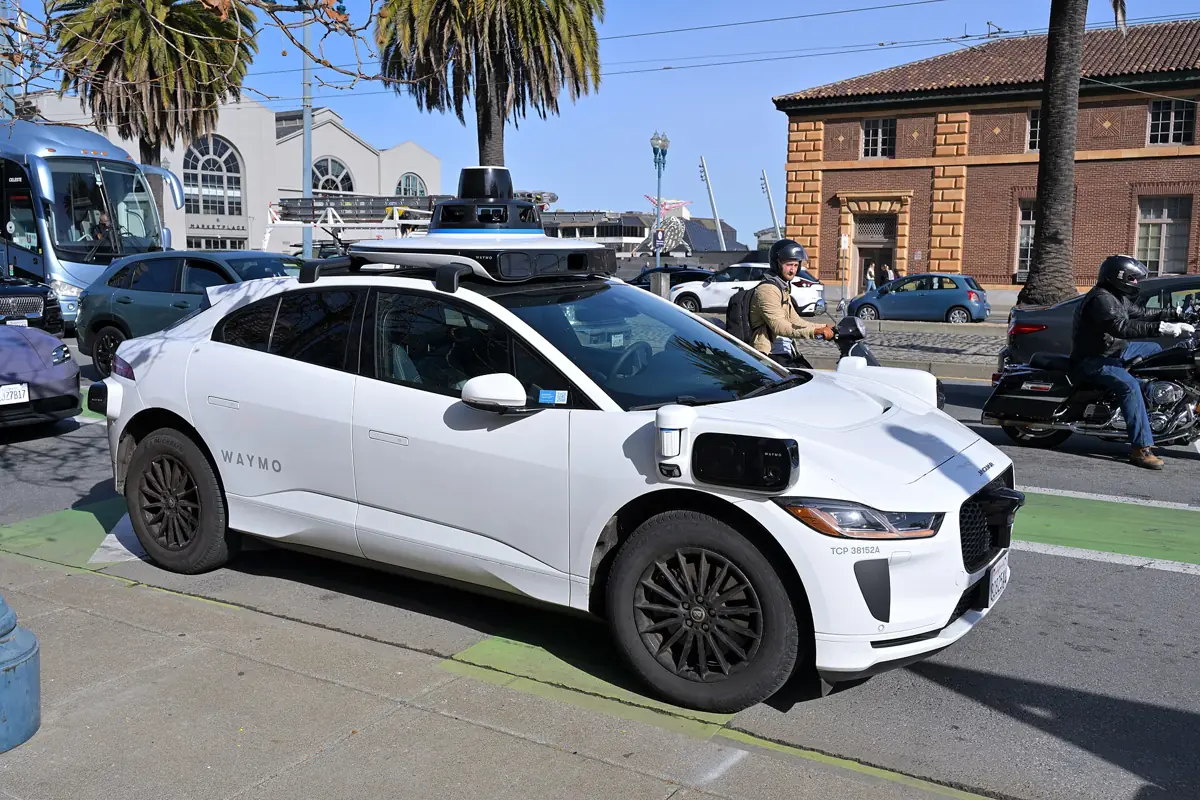
When the robotaxi had a person behind the wheel
Not every autonomous car on the street is driverless. The CPUC runs drivered as well as driverless programs, and the city's 2025 records list 28 autonomous cars that were being driven by hand at the time of an injury crash. With a safety driver at the controls, that person's own driving is part of the claim alongside the company's, and the driver's name and employer go on the report like any other driver's.
If you were the passenger
A rider hurt inside has two places to look: the operator's insurance, and whoever else on the road was at fault. Our position is that a fare-paying driverless ride is carriage of persons for reward in the plain words of Civil Code 2100, so the operator owes its passengers the same utmost care that the section imposes on a bus or a train.
Muni, cable cars and the other ways San Franciscans ride
Hurt on a Muni bus, streetcar or cable car in San Francisco
A public transit vehicle was one of the parties in 61 of the city's injury crashes in 2025, and riders are hurt in many more incidents that never involve a second vehicle. When the bus or train itself is part of the crash, the rules change twice: the carrier owes its riders a higher duty than an ordinary driver, and Muni is part of the city, so a claim has to come before any lawsuit.
The duty a bus or train owes the people riding it
The standard comes from Civil Code 2100, under which anyone carrying people for a fare owes them the "utmost care and diligence" and must supply "everything necessary" for their safety. In Lopez v. Southern California Rapid Transit District (1985), the California Supreme Court held that the duty applies to public carriers as well as private ones, and that it requires them to do all that human care, vigilance and foresight reasonably can do in the circumstances.
For a Muni rider, that is a higher standard than the one applied to the driver of the car that cut the bus off. A cable car lurching on a grade while riders stand on its running boards, light-rail doors closing on someone boarding at a surface stop, or a bus pulling away before a rider with a cane is seated are all measured against it.
The duty reaches past the driving itself. Lopez was a case about passengers attacked by other riders after the driver was told about the trouble and kept going, and the court held that the transit district owed its passengers a duty to protect them and was not immune from the claim.
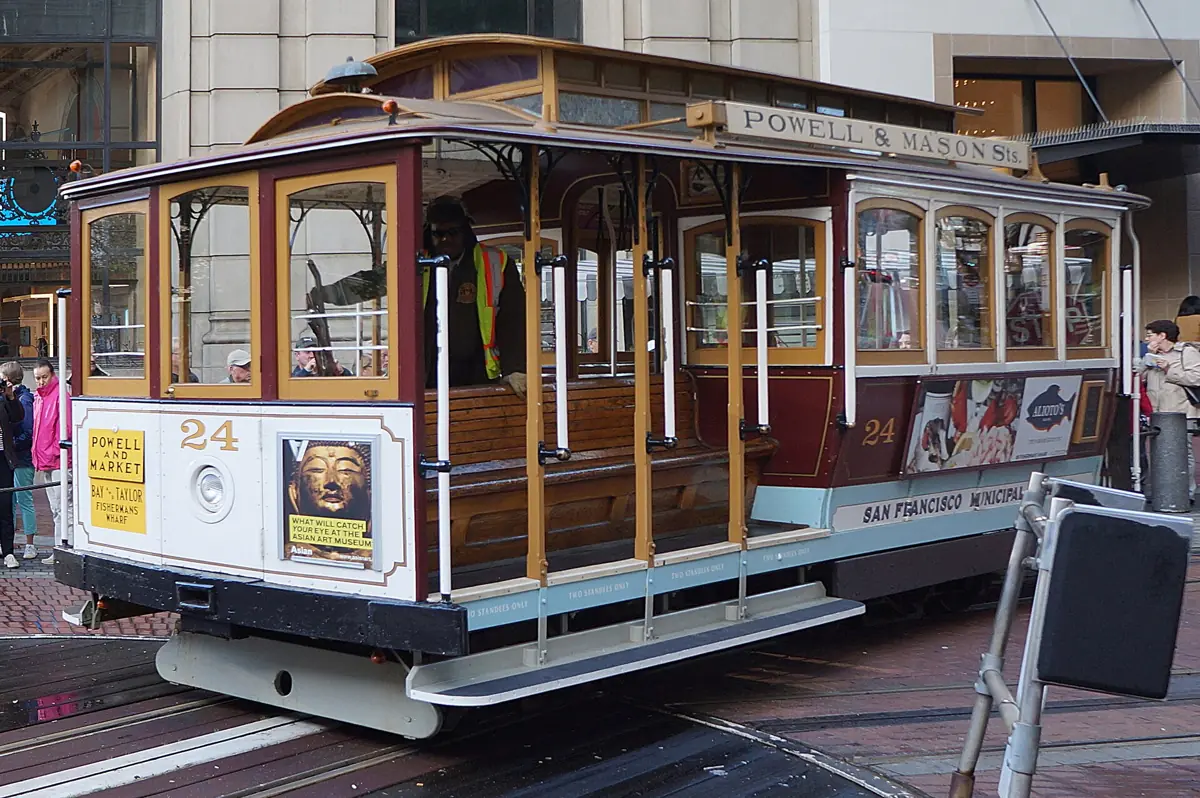
Stepping off a streetcar into traffic
Muni's light rail and the historic streetcars load in the middle of the street in many places, so passengers cross a traffic lane to reach the curb. Vehicle Code 21756 requires a driver overtaking a streetcar that is stopped, or about to stop, for passengers to stop behind its nearest door and stay stopped until everyone has boarded or reached a place of safety. Where there is a marked safety zone or a signal, the driver may pass, but at no more than 10 miles per hour and with due caution for pedestrians.
A driver who rolls past an open streetcar door is breaking a specific rule written for exactly that moment, which takes most of the fault argument off the table.
Not every bus on Market Street is Muni
Golden Gate Transit buses are run by the Golden Gate Bridge, Highway and Transportation District, and SamTrans buses by the San Mateo County Transit District. Each is its own public entity, so a claim involving one of their buses goes to that agency, not to the San Francisco Controller. Government Code 905 applies the same claim requirement to every local public entity in California, and the six-month limit for an injury claim is the same, so the first job is identifying from the photos or the report which agency operated the vehicle.
A free ride is judged by a lower standard
The same chapter treats unpaid carriage differently. Civil Code 2096 asks a carrier of persons without reward only for ordinary care and diligence, so a friend giving you a lift or a free private shuttle answers to the normal negligence rule, not the utmost-care one.
Muni is the city, so the claim comes first
Muni belongs to the City and County of San Francisco, and a lawsuit against the city has to wait for a written claim. The city's instructions say injury claims go to the Controller's Office Claims Division at 1390 Market Street, 7th Floor, within six months, by mail or hand delivery only; emailed or faxed forms are not accepted. The city posts its claim instructions in Spanish, Russian, Tagalog and Vietnamese as well as English. Government Code 911.2 sets that six-month limit, and Government Code 945.4 bars the lawsuit until the claim has been presented and acted on or deemed rejected.
Paper before argument
The San Francisco records a car accident claim is built from
Adjusters decide what a claim is worth from documents, and most of the documents in a San Francisco case come from a short list of city and state sources. Getting them complete, and early, is most of the work in the first month.
Trauma and hospital records
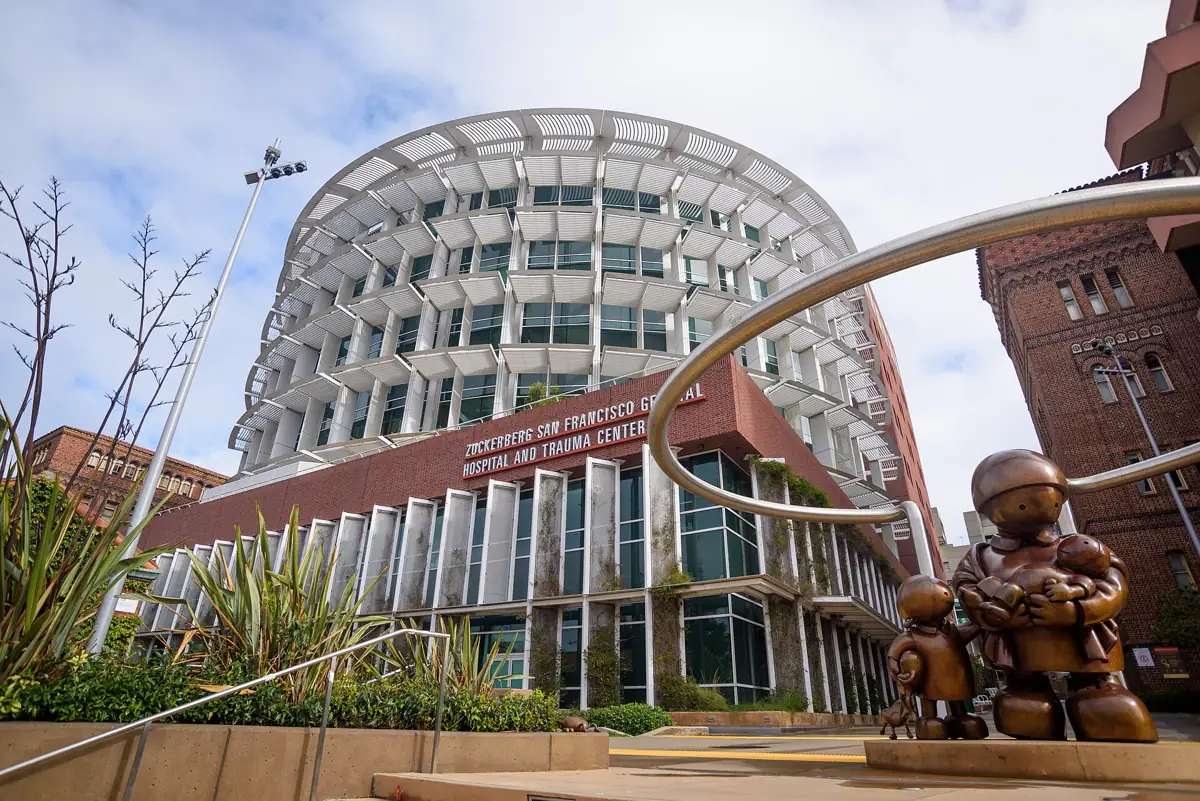
Zuckerberg San Francisco General, at 1001 Potrero Avenue, is a Level 1 trauma center run by the city's Department of Public Health, so its chart is a public hospital record requested from the hospital's records office. Private hospitals and urgent care clinics keep their own.
Ask for the trauma bay notes by name. The chart from a Level 1 center records the mechanism of injury the paramedics reported on arrival, such as pedestrian struck at speed or cyclist thrown, and that line often settles an argument about how hard the impact was before any expert is hired.
The ten SFPD district stations where a collision report is made
- Bayview Station
- Central Station
- Ingleside Station
- Mission Station
- Northern Station
- Park Station
- Richmond Station
- Southern Station
- Taraval Station
- Tenderloin Station
The report is taken at the station for the district where the crash happened; the SFPD publishes the district boundary map on its stations page. Source: SFPD stations.
Records we request in a typical San Francisco file
- The SFPD collision report and any supplemental report, or the CHP report when the crash was on a freeway or the bridge.
- The chart from Zuckerberg San Francisco General or the private hospital that treated you, including the trauma bay notes.
- Earnings statements from the delivery or rideshare app, if you earn as an app-based driver yourself.
- The rideshare trip receipt and a screenshot of the trip status, which fix the Public Utilities Code 5433 tier.
- The declarations page of every auto policy held by anyone you live with, for the Insurance Code 11580.2 household route.
- The Controller's acknowledgment and its acceptance or rejection letter, if Muni or another city vehicle was involved.
- The operator's collision report to the DMV, when a driverless car was involved.
Worth photographing at a San Francisco crash scene
- The Muni vehicle number painted on the bus or train, and the route sign.
- The roof and door markings of a driverless car, which identify the operator and the individual vehicle.
- The trade dress on a rideshare car's windshield, together with its plate.
- The curb paint near the crash. Under Vehicle Code 21458, red means no stopping, standing or parking, so a car parked on red that blocked your view is part of the story. Paint isn't required: Vehicle Code 22500(n) bars parking within 20 feet of the approach side of any crosswalk, or 15 feet where the curb has been extended.
- The green paint, flexible posts or buffer of the bike lane at the point of impact.
Where the 2025 crash reports cluster
Car accidents in the Mission District, SoMa, the Marina and North Beach
Mission Street alone logged 159 injury crashes in 2025, more than any other street in the city, and Market Street came next with 87. The table shows the neighborhoods people most often search for with a car accident question, using the city's own neighborhood boundaries.
| Neighborhood | Injury crashes | With a pedestrian | With a bicycle | Busiest street | Most cited factor |
|---|---|---|---|---|---|
| Mission | 392 | 63 | 77 | Mission St (52) | Unsafe speed |
| South of Market | 287 | 64 | 71 | 6th St (35) | Unsafe speed |
| Tenderloin | 198 | 71 | 35 | Polk St (23) | Unsafe speed |
| Financial District / South Beach | 197 | 40 | 45 | The Embarcadero (41) | Unsafe speed |
| Nob Hill | 79 | 20 | 15 | Polk, Hyde and Bush (9 each) | Unsafe speed |
| Marina | 66 | 23 | 4 | Lombard St (16) | Not yielding at a crosswalk |
| North Beach | 50 | 12 | 10 | North Point St (9) | Unsafe turn or lane change |
| Pacific Heights | 46 | 9 | 1 | Steiner, Scott and Pine (5 each) | Unsafe speed |
Source: Traffic Crashes Resulting in Injury, City and County of San Francisco open data, collisions dated January 1 to December 31, 2025, grouped by the analysis_neighborhood and collision-type fields.
The last two columns show where inside each neighborhood the reports concentrate and which primary collision factor officers cited most often there. Unsafe speed for conditions leads in six of the eight, which matters on a claim because speed for conditions is a judgment about that street at that hour, and the hour includes the weather: 237 of the city's 2,944 injury crashes in 2025 happened on wet pavement; the Marina is the exception, where the top cited factor was a driver not yielding to someone in a crosswalk, and Lombard Street, part of U.S. 101 through the neighborhood, carries most of its crashes.
The intersections with the most injury crashes in 2025
- 8th Street and Natoma Street: 10
- 6th Street and Mission Street: 9
- 6th Street and Howard Street: 8
- Hyde Street and McAllister Street: 7
- 9th Street and Mission Street: 6
- 18th Street and Guerrero Street: 6
- 13th Street and South Van Ness Avenue: 6
- 10th Street and Harrison Street: 6
Seven of the eight sit in South of Market, the Mission and the Tenderloin, and Hyde and McAllister is two blocks from the courthouse where these cases are filed. Across all 2025 injury crashes, the most common type was a broadside, the T-shaped hit typical of intersections, with 949 of 2,944; rear-end crashes, the type people picture first, came fourth with 454, behind vehicle-pedestrian crashes and sideswipes.
Downtown SF collisions
Areas like Market Street, Embarcadero, and Van Ness Avenue see heavy traffic from cars, buses, and pedestrians. Rear-end crashes and fender benders are frequent here due to congestion, stoplights, and sudden lane changes.
Motorcycle accidents in the Mission and the Marina
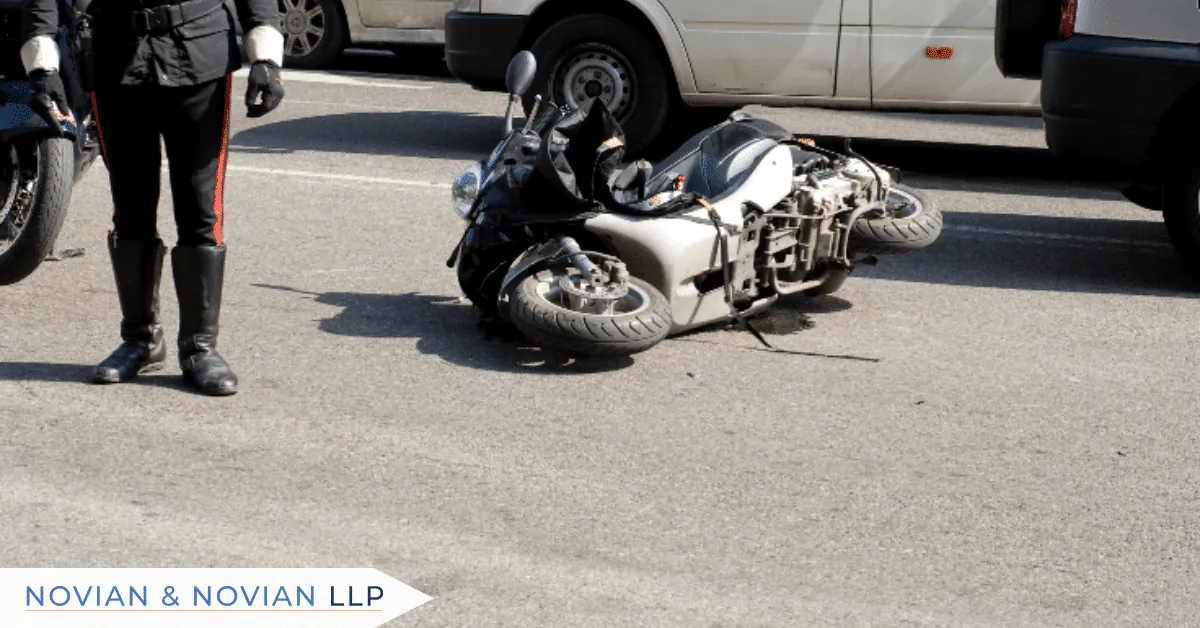
Neighborhoods like the Mission District and Marina are popular with motorcyclists but also prone to serious crashes. Motorcycle accidents often lead to severe or catastrophic injuries, such as broken bones and head trauma, due to limited protection for riders.
The Tenderloin's pedestrian share
Of the 198 injury crashes in the Tenderloin, 71 involved someone on foot, the highest pedestrian share of any neighborhood in the table. For pedestrians hurt there, the first question we ask is the household-policy one described above.
When pedestrians get hit
Of the 607 crashes in 2025 between a vehicle and a pedestrian, 166 happened between 2 p.m. and 6 p.m., the busiest block of the day, and 192 happened after dark on streets where the lights were working. Lighting at the time of the crash is one of the fields on the SFPD report, so it is part of every fault argument here.
Vision Zero SF and the High Injury Network
San Francisco adopted Vision Zero as city policy in 2014. The city says about 30 people die and at least 500 more are severely injured on its streets each year, and it publishes a High Injury Network map of the corridors where those crashes concentrate. When a crash happens on one of them, the city's own map is a public record of how dangerous that street already was. The trend is not falling yet: the city's records show 2,150 injury crashes in the first eight months of 2026, against 1,863 in the same months of 2025. Pedestrian crashes rose from 354 to 389 over those months, and traffic deaths of all kinds from 19 to 22.
Friday and Saturday nights
Late-night crashes bunch up at the end of the week. Of the 478 injury crashes in 2025 that happened between 10 p.m. and 6 a.m., 275 fell on a Friday, Saturday or Sunday, with Saturday alone at 111, against 40 on a Wednesday. Those are the hours when witnesses scatter fastest, so names and phone numbers collected at the scene carry more weight.
Sixth Street
Two of the corners in the list above are on Sixth, at Mission and at Howard, and its crossing with Stevenson tied the last of them. Counting every crash on or across Sixth Street that year, 64 were recorded, and 20 of those involved a pedestrian, close to one in three.
Chinatown's buses
Chinatown is small, with 58 injury crashes in 2025, but a transit vehicle was a party in 7 of them, about one in eight, a far higher share than the Tenderloin or the Financial District, which also had 7 each but on more than three times as many crashes. 17 involved someone on foot. A claim there more often than elsewhere starts with identifying which agency's bus was involved.
Where people on bikes were hit
Of the 356 vehicle-bicycle injury crashes in 2025, Market Street had the most (24), then Mission Street (12), the Embarcadero (10), and Polk Street and Potrero Avenue (9 each).
Bayview Hunters Point and Third Street
Bayview Hunters Point had 213 injury crashes in 2025, the third most of any neighborhood, and more of them were on Third Street (35) than on any other road there, followed by Bayshore Boulevard (24). Third Street carries the T line down its middle, so the streetcar-door rule in the transit section above comes up on these files more than anywhere else in the city.
Golden Gate Bridge accidents
The bridge is a major route for multi-lane traffic, and crashes there can raise complex auto accident claims. Limited space, strong winds, and high speeds can contribute to dangerous collisions that require detailed investigation and coordination with the agencies that run and patrol it.

Injuries we see after San Francisco car accidents
These come up again and again in the files we open after crashes in the city:

Whiplash and neck injuries: from steep hills and stop-and-go traffic.

Head injuries and concussions: common in downtown collisions.

Fractures and broken bones: high-speed accidents on highways like 101 or 280.

Bicycle and pedestrian trauma: SF's busy bike lanes and crosswalks.

Emotional trauma: PTSD after accidents in dense urban areas.
The city's 2025 victim records show why the person outside the car is the one who ends up with the serious claim. Of the 654 pedestrians hurt, 86 were severely injured or killed, about 13%; for bicyclists it was 58 of 441, also about 13%. Among drivers it was 81 of 1,583, about 5%, and among passengers 16 of 613, under 3%.

Source: Traffic Crashes Resulting in Injury: Victims Involved, 2025, victim role and degree of injury fields.
Watching it happen can be its own injury. In Thing v. La Chusa (1989), the California Supreme Court allowed a claim for emotional distress by someone who saw a relative hurt, but only when three things are true: the person is closely related to the victim, was present at the scene and aware at the time that the victim was being injured, and suffered serious emotional distress as a result. A parent standing at the corner when their child is struck meets that test; a relative who hears about it later does not.
From Century City to McAllister Street
Ways our SF car accident attorneys handle a case from Los Angeles
Novian & Novian was founded in 1988 and works from one office, on the twelfth floor of 1801 Century Park East in Century City. San Francisco clients work with us through virtual appointments and by phone. A California law license isn't tied to a county, so the same attorneys who file in Los Angeles appear in San Francisco Superior Court. The first conversation is a free consultation, and you'll get an honest read on your case and on what the claim can cover. No fee is owed unless we recover.
Accident investigation in the city
Our legal team conducts a detailed accident investigation, using San Francisco traffic cameras, witness interviews, and police reports to gather evidence. Where the facts call for it, we bring in treating doctors and accident reconstruction consultants to show how the crash happened.
Insurance negotiation in the Bay Area
Dealing with insurance adjusters can be frustrating, especially when they try to minimize your claim. We take over the adjuster calls, track each bill and wage loss, and push for a settlement that reflects the full injury rather than the first few weeks of it.
Ongoing client support
Clients receive regular updates about their case progress and upcoming dates from the attorneys handling the file.
The McAllister Street courthouse, and when a case belongs there
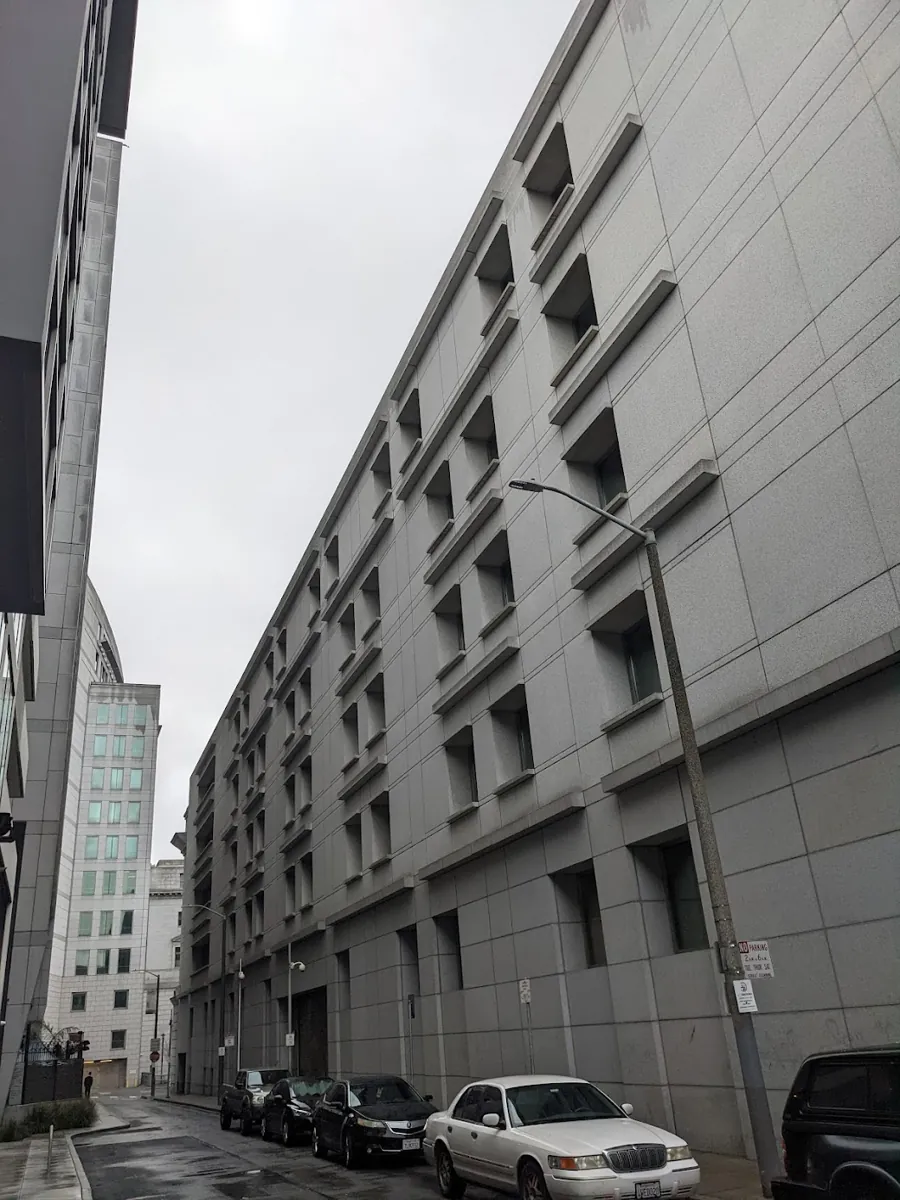
Code of Civil Procedure 395 lets an injury case be filed in the county where the injury happened or where a defendant lives. For a crash in the city, that usually means San Francisco Superior Court, whose civil clerk sits at the Civic Center Courthouse, 400 McAllister Street. If your case needs to go to trial, we handle the entire legal process so you can focus on recovery.
The clerk's office is in Room 103 and keeps short hours, 8:30 a.m. to 12:30 p.m. on court days, with a drop box from 12:30 to 4 p.m. and an information line at (415) 551-4000.
When the defense asks what you are claiming
A California injury complaint doesn't state a dollar figure. Instead, Code of Civil Procedure 425.11 lets the defendant ask at any time for a statement of the nature and amount of damages sought, and the answer is due within 15 days. If nobody asks, the statement still has to be served before a default can be taken against a driver who never responds to the lawsuit. We prepare it from the same records list above, so the number in it can be backed line by line.
Who handles a San Francisco car accident claim for someone who wasn't driving
These cases sit with Matthew and Brandon, and each license can be checked on the State Bar's public lookup.

Matthew Novian
Partner
Co-chair of the catastrophic injury and class action groups at the firm; his injury docket runs from crash and defect claims to mass torts. UCLA law graduate (he edited submissions for UCLA Law's Entertainment Law Review) with an undergraduate degree from NYU, licensed in 2018, Super Lawyers Rising Star for 2025 and 2026.
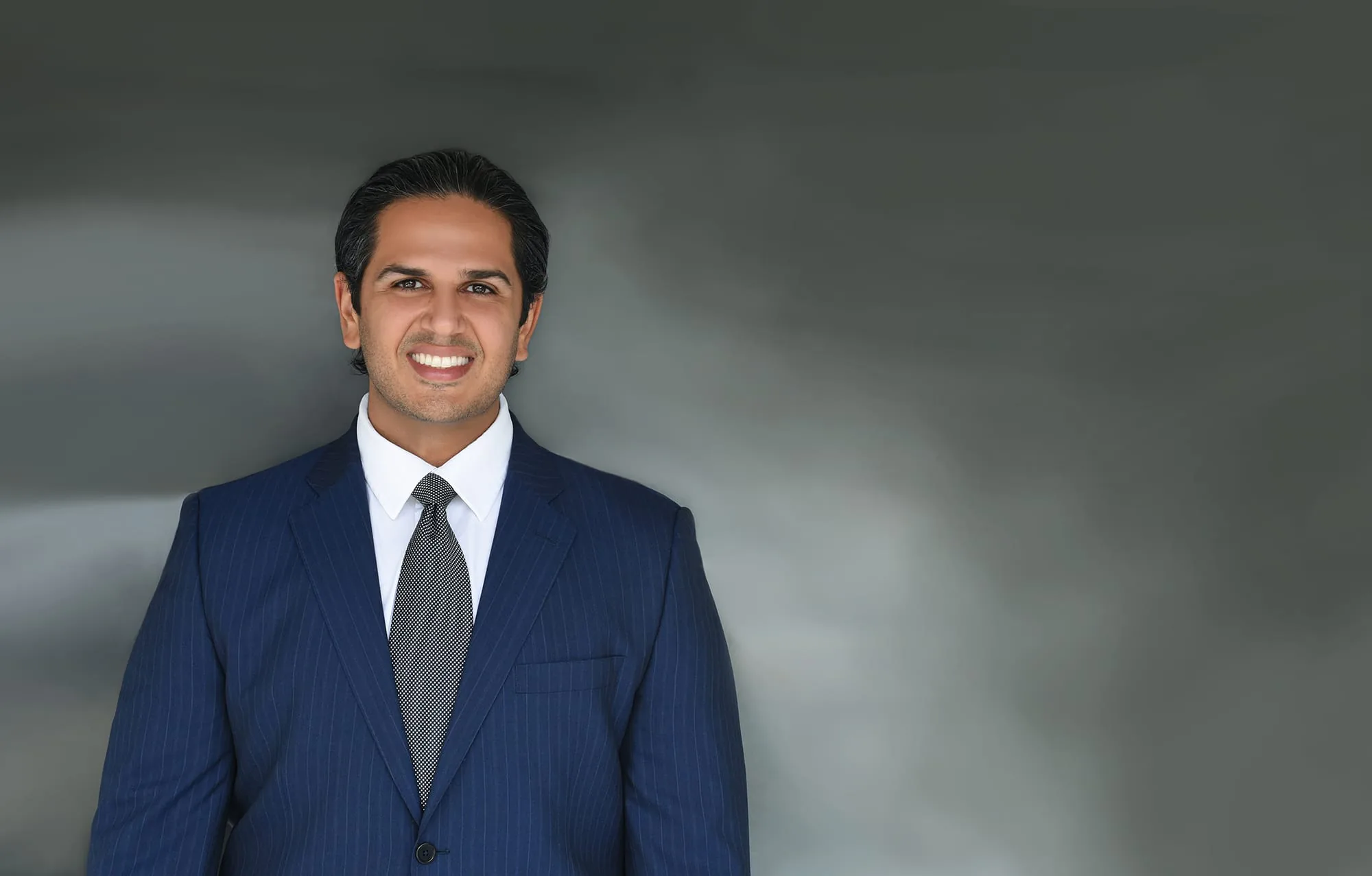
Brandon Sadigh
Associate
A civil litigator whose caseload includes serious crash injuries and catastrophic harm claims. Southwestern Law alumnus with a 2019 State Bar admission and a University of Arizona degree, who spent more than three years in civil litigation at Wolf, Rifkin, Shapiro, Schulman & Rabkin before joining the firm; listed as a Super Lawyers Rising Star each year from 2024 through 2026.
In their words: client reviews posted on Google


San Francisco car accident questions, answered
Is there a deadline to file a car accident claim after an SF crash?
Yes. The clock under Code of Civil Procedure 335.1 runs out on the second anniversary of the crash. A claim for vehicle damage alone gets three years under Code of Civil Procedure 338. The two years keep running while you are still in treatment, which is why a case is often filed before the last appointment and the medical picture is completed during the lawsuit, not before it. The separate, shorter limits for a claim against the city and for an uninsured motorist claim are set out in the sections above; the 335.1 date doesn't replace either of them.
I was hurt on a motorcycle in the Mission District. Is that claim any different?
The insurance routes are the same, but lane splitting comes up on almost every motorcycle file. California addresses it directly: Vehicle Code 21658.1 defines lane splitting as riding a two-wheeled motorcycle between rows of stopped or moving vehicles in the same lane, on divided and undivided roads alike, and it lets the CHP publish safety guidance for it. Nothing in the section makes it illegal, so an adjuster can't treat splitting by itself as fault. What still matters is how it was done: speed relative to traffic, the gap, and whether the car changed lanes without signaling. The Mission is where these files come from most often: in the city's 2025 records, 52 motorcycles and motor-driven cycles were parties to injury crashes there, more than in any other neighborhood.
Does it change anything if the driver who hit me was drunk?
The insurance claim works the same way, but a criminal case runs next to it. If the driver is convicted, Penal Code 1202.4 directs the criminal court to order full restitution of your economic losses, such as medical bills and lost wages, and the driver has the right to a hearing to dispute the amount. A restitution order doesn't end your civil claim, which still covers losses the criminal court won't touch, including pain and suffering. Keep the criminal case number from the San Francisco District Attorney's office alongside your SFPD report number; both get used. Alcohol shows up in a meaningful share of the city's files: the 2025 SFPD records list at least one party who had been drinking in 243 of the 2,944 injury crashes, and 88 parties were recorded as under the influence. Those entries include people on foot and on bikes, not only drivers.
Can I claim damages if the accident happened on the Golden Gate Bridge?
Yes. On the bridge and the freeways, the California Highway Patrol rather than SFPD usually writes the report, so that's where to request it. The bridge itself is run by a public district, and any claim that points to the roadway or its barriers follows the government claim rules. Cyclists and people walking on the bridge sidewalks are in the same position: a crash with another rider is a claim against that person, while a claim about the sidewalk, the railing or the way traffic was separated is a claim against the district, and the same six-month window applies to it.
Who pays an accidental death insurance benefit after a fatal Bay Area crash?
Two different claims can follow a death on San Francisco streets, and they are often mixed up. The family's claim against the at-fault driver is a wrongful death case. An accidental death or AD&D policy the person held through work or on their own is a contract with their own insurer, and it pays according to its terms, regardless of who was at fault. Insurers sometimes deny these benefits by arguing the death wasn't "accidental" under the policy wording, or that an exclusion applies; that is an insurance dispute, and our insurance litigation page covers those disputes.
What decides the value of a San Francisco car accident case?
It depends on the severity of your injuries, your medical records, lost income, and the degree of legal responsibility of each party involved. What reaches you is a different number: Medi-Cal and many health plans can claim repayment of what they paid out of a settlement, and we work through those liens before the money is split.The available insurance sets a practical ceiling as well, which is why the household and rideshare coverage described above is so often what decides the outcome here.
Can I sue the carmaker if a defect caused my crash or made my injuries worse?
Yes. Since Greenman v. Yuba Power Products (1963), California has held manufacturers strictly liable for defective products that injure people, and that includes failed airbags, brakes and seat belts. Keep the car out of the salvage auction; a defect claim depends on the vehicle being available for inspection. If the car is a rental or a car-share vehicle, write to the company the same week and ask in writing that it be held, because fleet cars are repaired or sold quickly.
Can I sue Uber or Lyft itself, not only its insurer?
Sometimes, but the starting point in California is Proposition 22. Business and Professions Code 7451 classes an app-based driver as an independent contractor, not an employee or agent, when the company meets conditions such as not setting the driver's hours and not requiring any particular ride to be accepted. That limits the usual argument that the company answers for its driver the way an employer does. At the same time, Public Utilities Code 5433(f) says the insurance rules don't cap the company's liability above the required coverage in a case against the company itself, so a claim based on the company's own conduct stays open.
A rental car hit me. Is the rental company responsible?
Usually not as owner. A federal law, 49 U.S.C. 30106 (often called the Graves Amendment), bars any state, California included, from holding a rental or leasing company liable just because it owns the car, as long as the company itself wasn't negligent and committed no crime. The claim runs instead against the renter and the insurance that follows the rental, which in a city full of visitors' rentals and car-share fleets is often a mix of the renter's own policy and coverage bought at the counter. The company can still be liable for its own negligence, for example renting out a car with brakes it knew were failing. And the federal law leaves California's insurance requirements in place: subsection (b) keeps state financial responsibility rules, and liability for a rental company that fails to meet them, outside its protection.
A federal vehicle hit me in the Presidio. Does the city claim process apply?
No. A claim against the United States follows federal rules, not the California Government Code. Under 28 U.S.C. 2401(b), a tort claim has to be presented in writing to the federal agency involved within two years, and 28 U.S.C. 2675 bars a lawsuit until the agency denies it in writing or six months pass without a decision. The Presidio is federal park land, so a crash with a National Park Service or other federal vehicle there, or a claim about how the federal road was kept, goes through that process. Put the full amount on the federal claim form: under subsection (b) of section 2675, a later lawsuit generally can't ask for more than the claim did, unless the increase rests on evidence that couldn't reasonably have been found when the claim was filed. A crash with a private driver in the Presidio is an ordinary claim against that driver.
I drive for Uber, Lyft or a delivery app and was hurt while logged in. What covers me?
Proposition 22 built a separate benefit for you. Business and Professions Code 7455 requires every network company operating in California to provide occupational accident insurance for drivers hurt while online, covering medical expenses up to at least $1,000,000 and disability payments of 66% of your average weekly earnings from all apps for up to the first 104 weeks, with average weekly earnings measured as your total app earnings over the 28 days before the crash divided by four. If you were logged into more than one app, the insurer you claim against can recover a share from the others, so the claim only has to be made once. "Online" means logged in and able to receive requests. A claim against whoever else was at fault is separate and is paid on top. If the crash is fatal, the same section requires accidental death coverage for the driver's spouse, children or other dependents. One catch: subsection (e) treats these benefits as workers' compensation or disability amounts when an auto policy's coverage is calculated, so your own uninsured motorist claim can be reduced by what the app's insurer already paid.
I was hurt as a passenger in a San Francisco taxi. Do the rideshare rules apply?
No. Public Utilities Code 5433 and its $1,000,000 coverage apply to app-based rideshare companies, not to taxis, so a taxi passenger's claim runs against the taxi's own liability insurance and against any other driver who caused the crash. What a taxi passenger does share with a bus rider is Civil Code 2100: a taxi carries people for a fare, which is carriage for reward, so the driver owes you the utmost care rather than ordinary care. Keep the receipt or the medallion and cab number, which identify the company and its insurer.
Does a crash at SFO count as a San Francisco crash?
Partly. San Francisco International Airport is a department of the City and County of San Francisco, so a crash with an airport vehicle or a claim about airport roads is a claim against the city, made through the city's claim process described above. But the airport sits in unincorporated San Mateo County, about 14 miles south of the city. Under Code of Civil Procedure 395, the county where the injury happened is a proper place to sue, so a lawsuit over an SFO crash can belong in San Mateo County Superior Court rather than on McAllister Street.
A Muni bus hit my car. Does the "utmost care" rule help me too?
No. Civil Code 2100 protects the people a carrier is carrying, so it helps the passengers on the bus, not the driver or occupants of the car the bus hit. Your claim is an ordinary negligence claim against the city for the operator's driving, and it still starts with the written claim to the Controller. If you were a passenger in that bus, you get the higher standard; if you were a passenger in the car, you don't.
Can I look up how my crash was recorded in the city's data?
Usually, yes. The city publishes its injury-crash records on its open data portal, by date, time, location and neighborhood, with no names attached. Finding your crash there shows how it was coded: the primary collision factor the officer chose, the collision type, the lighting and road surface, and how each person was classified. The full SFPD report says more and is the document that matters in the claim, but the public record is a quick way to spot a coding mistake, such as a pedestrian marked at fault or a crosswalk recorded as midblock, early enough to ask for a supplemental report.
Send your San Francisco car accident details to an attorney
Send the form or call, and tell us in a line or two how you were moving when the car hit you.
More Novian pages for Bay Area injury claims
If your injury didn't come from a car crash, or it happened across the bay, these pages cover it. The Los Angeles page explains how the firm handles injury cases overall.