
When people ask, “Do insurance agents get involved in accidents?” the answer is yes, but not in the way you might think.
Insurance agents are human, and like any driver, they can be personally involved in a car accident. However, their professional involvement typically comes after an accident occurs. In such cases, they may represent insurance companies in helping car accident victims file a claim, determine liability, and navigate the claims process.
With over 35 years of experience, our catastrophic injury lawyers at Novian & Novian have successfully guided countless clients through complex insurance and accident claims. Contact us today to speak with a trusted attorney who understands how to level the playing field against insurers.
This blog explores whether insurance agents get involved in accidents, clarifies their role in the claims process, liability determination, and how legal representation can help protect your rights after a crash.
Table Of Contents
What Happens If Insurance Agents Have Accidents and Do Insurance Agents Get Involved in Accidents?
When insurance agents are involved in car accidents, the situation is rarely as straightforward as it seems. On one hand, they are drivers who must follow the same laws and safety obligations as anyone else. On the other hand, they are licensed professionals who represent insurance companies and are held to higher standards of conduct.
Like any other driver, an agent must follow standard accident protocols, including reporting the collision, cooperating with the police officer on scene, exchanging information with the parties involved, and documenting property damage or injuries. However, because of their profession, additional layers of liability, insurance coverage, and reporting responsibilities may apply. Understanding these aspects helps ensure compliance with the law and protection against potential insurance fraud or liability disputes.
Legal Responsibilities of Insurance Agents
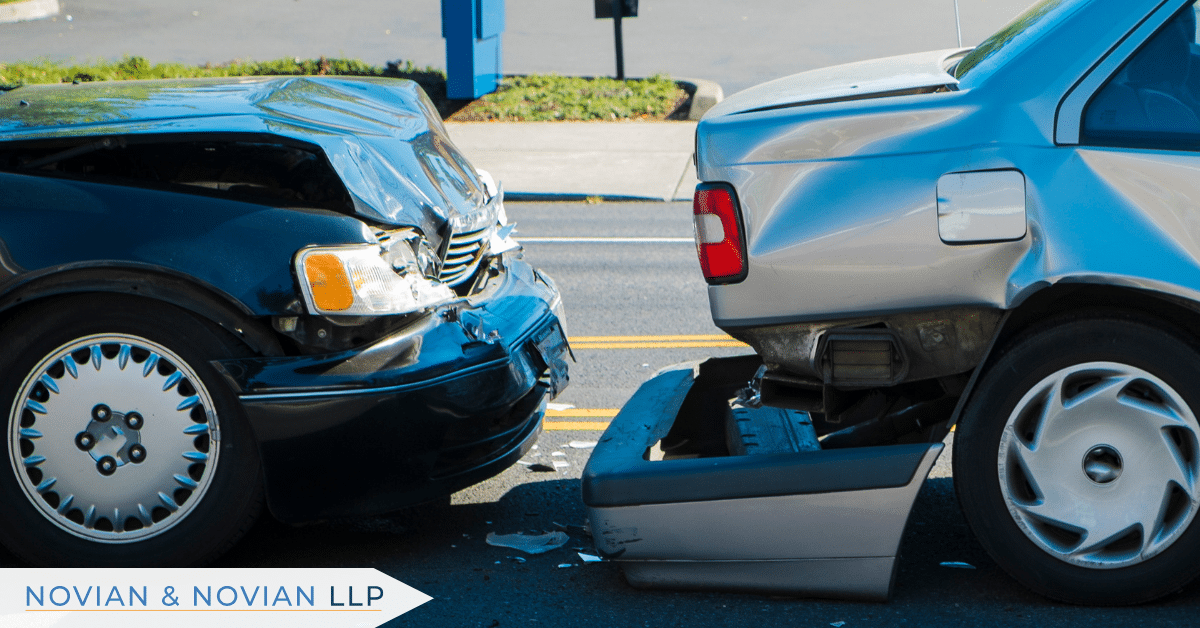
When an insurance agent is involved in a car accident, they are legally bound to act just like any other driver. Legally, they are to remain at the accident scene, exchange information, assist any injured individuals, and report the crash to the police and their insurance company. However, when the agent is performing work-related duties (such as meeting clients, inspecting property damage, or delivering policy documents), additional layers of liability may arise.
Under agency law, if the accident occurs while the agent is conducting business for their employer, the insurance company itself could share responsibility through a concept called vicarious liability. This means the company might be legally responsible for the agent’s negligence if it happened within the scope of employment. In such cases, investigators and attorneys carefully review police reports, witness statements, social media accounts, and photographs from the accident scene to determine who is at fault and how the claim should be handled.
Moreover, insurance agents are expected to avoid conflicts of interest or misuse of inside knowledge during the claims process. Any attempt to manipulate information or influence adjusters can expose them to professional discipline, insurance fraud allegations, or civil liability. Seeking immediate legal representation helps protect their rights and ensures the investigation remains fair and compliant with the law.
Reporting Requirements for Agents
Insurance agents face stricter reporting requirements than the average driver when they are involved in an accident. In addition to notifying the police officer at the scene and filing a police report, agents must promptly inform:
- Their own insurance company,
- Their employer or agency, and
- In some cases, the state licensing board or professional regulator.
Failure to disclose accurate details such as time, location, property damage, and injuries can lead to policy complications or professional sanctions. Many insurance companies require internal reporting within 24 to 48 hours, and some states impose similar deadlines for licensed professionals.
Insurance agents must also fully cooperate with insurance adjusters, investigators, and attorneys, granting them access to medical records, vehicle repair estimates, and any additional evidence needed to assess fault. Transparency during this process is essential to maintain credibility and ensure that both the agent and the insured parties receive fair treatment.
Insurance Coverage for Agents
When it comes to insurance coverage, the situation for insurance agents can become complicated. If the car accident happens during personal time, their personal auto insurance and liability insurance generally apply. However, if the crash occurs during business activities such as driving to meet clients, assessing claims, or inspecting damage, the agent may need commercial auto insurance to cover any resulting property damage or injuries.
Beyond vehicle coverage, many agents also carry errors and omissions (E&O) insurance, which protects them if they are accused of negligence or misrepresentation during the claims process. For instance, if an agent provides incorrect advice or mishandles a client’s claim, the E&O policy may help pay for legal defense and compensation.
It’s also important to note that if the at-fault driver is the agent and they were using a company vehicle, the employer’s insurance typically steps in to cover the loss. However, any misreporting of facts or delay in filing the accident report could lead to denied claims or disciplinary review. Agents are advised to review their coverage details regularly and consult an experienced attorney if they’re uncertain about their liability exposure.
Determining Fault and Handling Claims
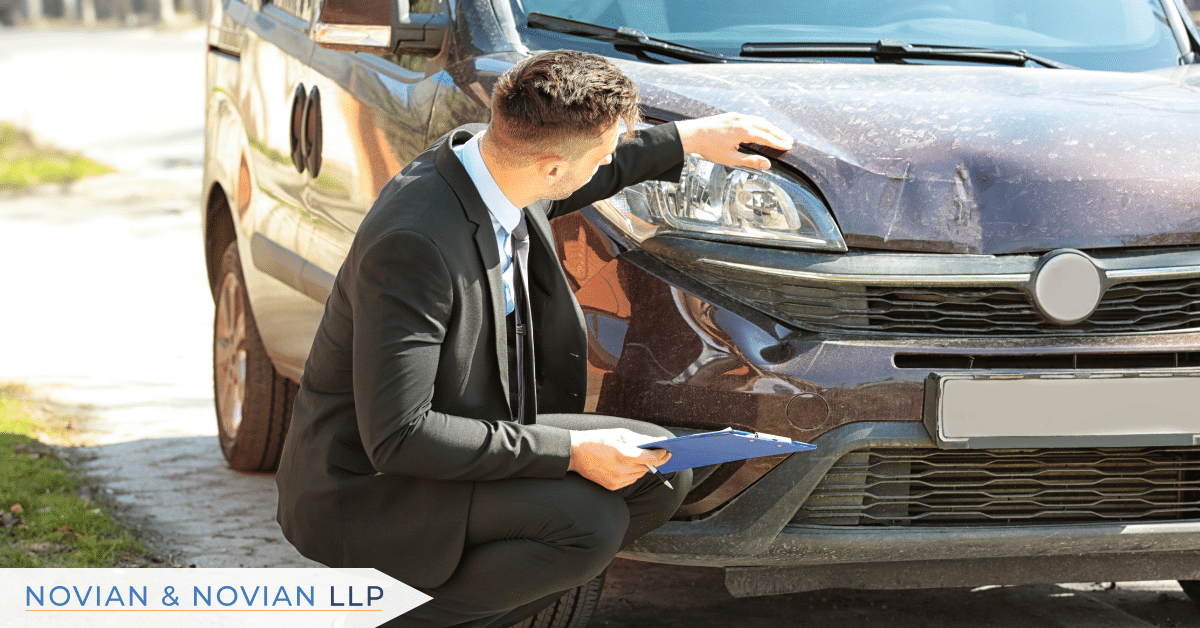
Determining fault in a car accident is one of the most critical and often most complex steps in the claims process. Whether you are a private driver, an insurance agent, or a representative of a car insurance company, establishing who the at-fault driver is directly influences liability, coverage, and how much compensation each party involved receives. Insurance companies, police officers, adjusters, and sometimes attorneys must work together to gather evidence, assess property damage, and determine the exact chain of events that led to the crash.
For car accident victims, it is helpful to understand this process. Fault determines whose insurance policy will pay for vehicle repairs, medical expenses, or potential personal injury lawsuits. It also affects how insurance adjusters and investigators evaluate the claim, how money is distributed, and whether an insurer might deny or dispute the claim entirely.
What is The Role of Technology in Fault Determination?
Modern fault determination relies heavily on technology, which has transformed how insurers and investigators analyze accidents. Today, insurance companies use advanced tools like telematics data, vehicle black boxes, and dashcam footage to reconstruct what happened at the accident scene. This data can show whether a driver was speeding, braking suddenly, or using a mobile device just before the collision. These are all critical details in assigning liability.
In addition, reviewing photographs, videos, and social media accounts can provide additional evidence about the incident. For example, if an at-fault party posts content contradicting their official statements, it can reveal inconsistencies in their story. Even police reports and medical records are now digitized, allowing attorneys and adjusters to access them quickly and build a more accurate picture of the accident.
Some insurance companies even use artificial intelligence (AI) and predictive analytics to assess property damage from uploaded photos. This helps them estimate repair costs and determine whether the insured may have contributed to the collision.
However, technology is not infallible. It must be paired with careful investigation, human oversight, and legal review to ensure the results remain legitimate and fair.
Filing a Claim and Fault Attribution
Once a fault has been preliminarily assessed, the next step is filing a claim. The at-fault driver and the other party must each report the accident to their insurance company, providing detailed statements, photos, police reports, and any available evidence.
Here’s how the process typically unfolds:
- Report the Accident: Notify your insurance company and the police immediately. Failing to report injuries or property damage promptly can delay the claims process or lead to denial.
- Gather Evidence: Take pictures of the accident scene, vehicles, and any visible injuries. Collect contact details of witnesses and all parties involved.
- Investigation and Review: The insurance adjuster investigates by examining police reports, medical records, and repair estimates to determine fault. They may contact witnesses, review photographs, or even visit the scene.
- Fault Attribution: Once all details are analyzed, the insurer decides which driver bears primary liability. In some circumstances, both parties may share partial fault, impacting how compensation is divided.
- Settlement or Legal Action: If you disagree with the insurer’s decision or if the insurer attempts to underpay or deny your injury claim, an attorney can help protect your rights and pursue fair compensation through negotiation or a personal injury lawsuit.
At-fault attribution directly affects financial recovery. The more a person’s negligence contributed to the collision, the less they can expect in compensation. Skilled lawyers often play a crucial role here by ensuring the playing field remains level, uncovering missing evidence, and ensuring that injured parties aren’t unfairly blamed to protect corporate profits.
Psychological Aspects of Fault
While fault determination might seem purely technical, there’s a significant psychological component at play. People involved in accidents often interpret events through their emotions, like fear, guilt, or anger, which can shape how they conduct themselves in statements or during investigations. A driver may genuinely believe they were not responsible, even when evidence suggests otherwise, simply because their perception of the accident is influenced by stress or trauma.
Similarly, insurance adjusters and investigators, being human, can also be swayed by subconscious biases when reviewing claims. Having an experienced attorney ensures objectivity and bases fault on facts, not assumptions. Lawyers serve as advocates to protect the injured, ensuring their voices are heard and that decisions are supported by solid evidence rather than subjective interpretation.
The emotional toll on car accident victims can also affect how they interact with their insurance company. Fear of losing coverage or receiving reduced compensation may lead them to make cautious or incomplete statements. Such behavior makes professional legal assistance invaluable, ensuring that your story is represented accurately and your right to recovery remains unchanged by stress or bias.
Impact of Accidents on Premiums
Whether you’re the at-fault driver or the injured party, an accident can have a lasting impact on your car insurance rates, liability coverage, and future claims process. Insurance companies calculate premiums based on risk, and when a driver or insured party is involved in a collision, that perceived risk increases, often resulting in higher monthly payments or stricter coverage conditions.
For car accident victims, these changes can feel unfair, especially when they were not responsible for the crash. For insurance agents, understanding these nuances helps them advise clients effectively while also maintaining transparency and compliance with industry regulations.
Premium Adjustments Post-Accident
After a car accident, insurers begin a detailed investigation process to assess fault, evaluate property damage, and estimate liability. Once the insurance adjusters and investigators determine who was responsible, the at-fault party’s insurance company usually bears the cost of repairs, medical bills, and other compensation. However, these payouts influence the insurer’s calculations for future risk, leading to potential premium adjustments.
Here’s how it typically works:
- Assessment of Fault and Risk: If you’re deemed the at-fault driver, your insurer considers you a higher risk. Even a single accident claim can lead to a rate increase, depending on the circumstances and your driving history.
- Severity of the Crash: Accidents involving serious injuries, large property damage, or personal injury lawsuits often trigger steeper increases in premiums than minor fender-benders.
- Frequency of Claims: Repeated accident claims or injury claims suggest a pattern of risky behavior, prompting the insurer to raise premiums or even reduce coverage limits.
- Type of Coverage Impacted: Both liability insurance and collision coverage can be affected. The insurer may modify deductibles or premiums for each policy type to mitigate future losses.
Even drivers who were not at fault can experience temporary changes in premiums, especially if the insurance company updates its risk models for certain geographic areas or vehicle types. It’s also worth noting that businesses and insurance agents using company cars might see commercial coverage adjustments if an employee or agent was involved in the accident while on duty.
A skilled attorney can help review these changes and determine whether they’re legitimate or if the insurer is unfairly penalizing the insured. In cases where the insurer acts in bad faith or unjustly increases premiums, legal intervention ensures that the playing field remains balanced.
Insurance Fraud and Its Implications
While most insurance companies operate with integrity, insurance fraud remains a major concern. Fraud can occur at multiple levels, from drivers exaggerating property damage to businesses staging accidents or even adjusters misreporting details to manipulate claim outcomes. Each fraudulent act drives up costs across the industry, forcing insurers to raise premiums to recover financial losses.
Common fraud tactics include:
- Staged collisions or intentional crashes designed to trigger large injury claims.
- Submitting false medical records or inflated repair invoices.
- Misrepresenting who was driving the vehicle at the time of the accident.
- Creating fake witness statements or editing photographs of the accident scene.
These fraudulent actions not only raise overall insurance premiums but can also lead to serious criminal charges, including insurance fraud or negligence. Investigators, police officers, and lawyers often collaborate to expose these schemes, using evidence such as social media accounts, police reports, and surveillance footage to verify facts.
For car accident victims, false claims can delay recovery, deny fair compensation, and prolong the claims process. That’s why it’s important to have an experienced attorney who can gather evidence, verify statements, and ensure that your legitimate claim is handled with integrity.
At Novian & Novian, we understand that insurance fraud affects everyone. Our lawyers help ensure that your injury claim remains protected, your rights are upheld, and any unjust premium increases or fraudulent accusations are addressed through proper legal representation.
Resolving Disputes and Legal Considerations
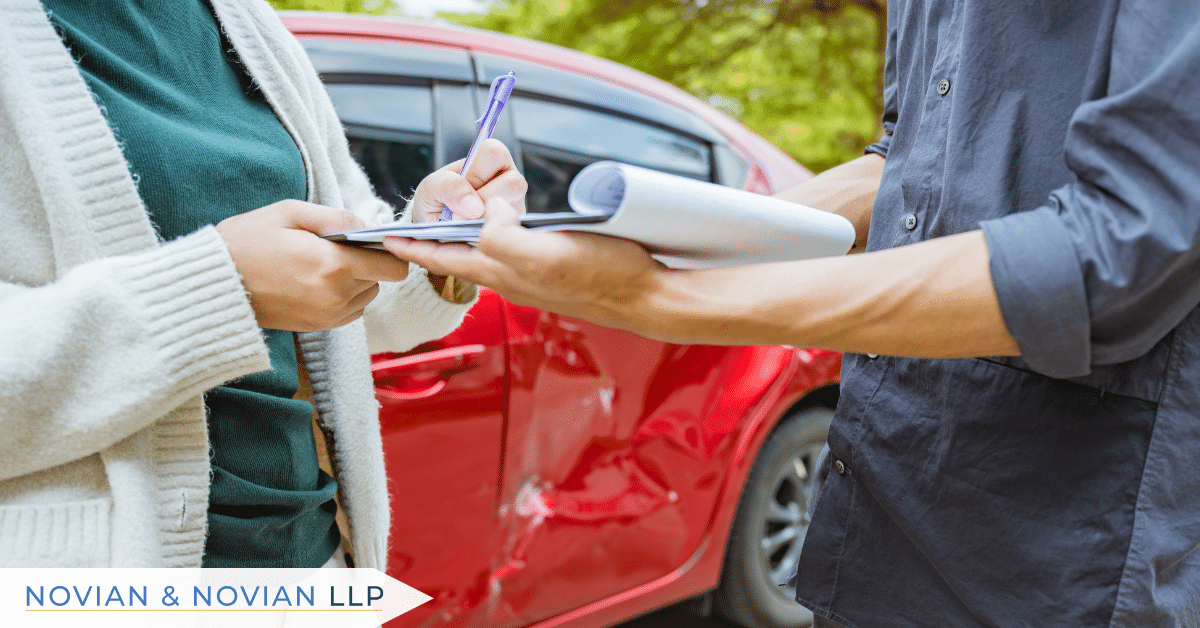
Disagreements between car accident victims and insurance companies are not uncommon, especially when issues arise around fault determination, injury claims, or fair compensation. Often, insurance adjusters may undervalue property damage, question medical records, or even deny legitimate car accident claims due to internal investigation processes or company profits. When such disputes occur, clearly understanding your legal rights and the available dispute resolution options can help level the playing field and ensure your recovery is not compromised.
Negotiation Strategies for Disagreements
Negotiating with insurers after a collision requires preparation, persistence, and accurate evidence. It is best to start by gathering all relevant documentation, such as police reports, photographs of the accident scene, medical bills, repair estimates, and statements from all parties involved.
These materials allow your attorney to challenge any attempts by your insurance company or the at-fault party’s insurer to minimize or deny your claim. Always remain careful with your statements and avoid discussing the accident or injuries on social media accounts, as investigators and insurance adjusters may monitor your activity. Skilled lawyers can negotiate effectively on your behalf, ensuring fair compensation while protecting your legal interests throughout the claims process.
Role of Third-Party Mediators
When direct negotiations reach a stalemate, third-party mediators can serve as neutral facilitators to help both parties involved reach an agreement. Mediation is often less costly and time-consuming than filing a personal injury lawsuit, allowing both the insured driver and the insurance company to resolve disputes without going to court.
The mediator reviews the evidence, listens to both sides’ stories, and helps identify solutions that balance each party’s responsibilities and expectations. While mediation is not legally binding, it can lead to mutually beneficial settlements and preserve professional relationships between businesses, clients, and insurers.
Legal Recourse for Unresolved Claims
If all efforts to settle fail, legal recourse may be the only path left for achieving justice. Accident victims can pursue a personal injury lawsuit or bad faith insurance claim when an insurance company refuses to pay what’s owed or unfairly delays the claims process.
A qualified attorney like our personal injury lawyers at Novian & Novian can help determine liability, prepare compelling legal arguments, and present additional information to the court, ensuring that your injury claim receives the fair evaluation it deserves. Legal representation guarantees the proper handling of negligence, coverage, and liability issues, ensuring that insurer misconduct does not leave injured drivers without compensation.
Seeking Justice for Insurance Agent Accidents?

When exploring the question, “Do insurance agents get involved in accidents?,” it’s important to understand that while insurance agents may not typically be at fault in their professional capacity, they can still be personally involved in car accidents like anyone else. In such cases, legal responsibilities, fault determination, and the claims process follow the same standards applied to other drivers and insurance companies. These situations often involve complex issues of liability, coverage, and compensation, especially when the agent’s role blurs the line between personal conduct and professional obligations.
Accidents involving insurance agents can also reveal deeper insights into how insurers, adjusters, and attorneys manage claims, investigate fault, and assess fair compensation for car accident victims. From reporting requirements to premium adjustments and dispute resolution, understanding each stage helps protect your rights and prevent insurance companies from using technicalities to deny legitimate claims. Ultimately, knowledge and proper legal guidance are key to ensuring that the outcome remains fair and that all parties involved are held accountable under the law.
At Novian & Novian, we understand the unique challenges that arise when insurance professionals, insurers, and adjusters are involved in a claim. If you’re facing disputed liability, denied benefits, or a complicated car accident claim, contact us now to schedule a consultation.
FAQs
Below are answers to common questions about fault determination, insurance coverage, and legal responsibilities:
Do Insurance Agents Get Involved in Accidents When They Crash?
If an insurance agent is involved in a car accident, liability depends on who was at fault and whether the agent was driving for personal or business purposes. The insurance company will investigate the accident scene, review police reports, and determine who must pay for property damage and injuries.
Do Insurance Agents Need Special Insurance for Accidents?
Yes, insurance agents often need commercial auto insurance or additional liability coverage if they use a vehicle for business. This ensures they and their company are protected in case of collisions that occur while performing job duties.
How Is Fault Determined In An Accident Involving Insurance Agents?
Fault is determined by police reports, evidence, and investigations from insurance adjusters and attorneys. They assess negligence, review medical records, and analyze the accident circumstances to decide which party is responsible.
What Are Some Common Insurance Fraud Schemes That Insurance Agents May Encounter?
Insurance agents may encounter fraud schemes like staged accidents, fake injury claims, or inflated repair costs. Such activities can affect premiums, delay fair compensation, and harm both clients and insurers financially.

 CALL:
CALL: