Quick answer
Common physical therapy for crash injuries includes hands-on manual therapy, therapeutic exercise, heat and cold, spinal traction for herniated discs, ultrasound, aquatic therapy, gait training, vestibular rehabilitation for dizziness after head injuries, and functional electrical stimulation for weak muscles. The therapist's records also document severity and progress, which serve as evidence in an injury claim.
Car accidents often lead to injuries like whiplash, herniated discs, back strain, joint damage, and soft tissue trauma. Depending on the severity, these injuries can cause pain, stiffness, and long-term mobility issues.
That’s why physical therapy is a critical part of recovery, as it helps accident victims regain strength, flexibility, and function. The most common types of physical therapy treatments for car accident injuries include manual therapy, hot and cold therapy, ultrasound therapy, and aquatic therapy.
At Novian & Novian, we understand how important proper rehabilitation is, in the aftermath of a serious crash. With over 35 years of experience, our team of catastrophic injury lawyers helps clients seek justice and also access the medical care they deserve. Contact us today!
In this post, you’ll learn the most common car accident injuries that require physical therapy. We will also share the different types of physical therapy treatments used in car accident recovery.
Table Of Contents
- What Types of Injuries Are Common in Car Accidents?
- Types of Physical Therapy Treatments After a Car Accident
- How Physical Therapy Impacts Your Car Accident Claim
- Want to Maximize Your Car Accident Settlement?
- FAQs
- What Therapy Is Best for a Car Accident?
- What Does Physical Therapy Do After a Car Accident?
- Does Physical Therapy Increase Car Accident Settlement?
- How Long Is Physical Therapy for a Car Accident?
- Can Physical Therapy Fully Heal Car Accident Injuries?
- Is Physical Therapy Covered by Insurance After a Car Accident?
What Types of Injuries Are Common in Car Accidents?
Car accidents can cause a wide range of injuries, from minor bruises to severe trauma that alters a person’s quality of life. Some of the most common car accident injuries include whiplash, neck injuries, and soft tissue damage. Whiplash occurs when the neck is forcefully thrown back and forth during a collision, especially in rear-end crashes. This type of injury can result in stiffness, chronic pain, and limited neck mobility, which often require patients to undergo physical therapy.
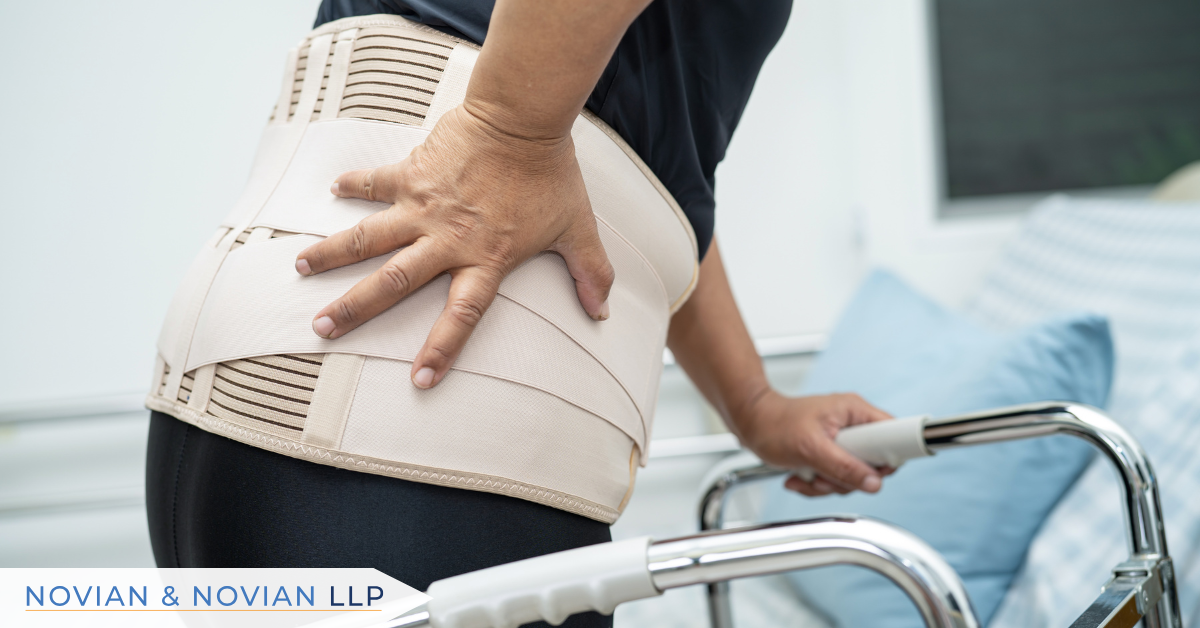
Back and spinal injuries are also prevalent in auto accident victims. These may include herniated discs, lower back strain, and spinal cord trauma. Injuries to the back can cause debilitating symptoms that interfere with everyday life and may require a long-term recovery process. Blunt force trauma from a motor vehicle accident can also lead to fractures and bone injuries, such as broken ribs, legs, or arms. These fractures not only impact mobility but often demand surgery and physical therapy for proper rehabilitation.
Traumatic brain injuries (TBI), concussions, and head injuries are another serious concern. When a person hits his or her head on the steering wheel, dashboard, or window during a crash, the resulting impact can cause memory loss, dizziness, headaches, and long-term cognitive impairment. Similarly, chest injuries from seatbelts or blunt force can damage ribs, muscles, or even internal organs. All of these injuries, whether visible or internal, can benefit from the expertise of trained physical therapists who develop a personalized treatment plan to aid in healing.
Soft tissue injuries, including muscle strains and ligament sprains, are incredibly common in car crash scenarios. These injuries can be painful and often lead to chronic issues if not treated properly. Specialized physical therapy is necessary for managing such injuries because it targets the specific muscles and joints affected by the trauma. Physical therapy services focus on pain relief, restoring movement, and ensuring that damaged tissues heal properly without long-term complications.
Benefits of Physical Therapy for Car Accident Injury Recovery
One of the key benefits is effective pain relief and inflammation reduction. Therapies such as cold therapy, targeted massage, and manual therapy help reduce swelling and alleviate pain symptoms without the need for strong medications. In many cases, physical therapy can help patients avoid surgery. It can also reduce their reliance on invasive treatments.
Another important benefit of physical therapy is its ability to restore mobility and flexibility. Car accident injuries, especially to the neck, back, and joints, often result in stiffness that limits a person’s ability to move freely. Therapeutic exercises are designed to gently stretch and strengthen the affected areas, making everyday tasks easier. These exercises also pump oxygen and nutrients into injured tissues, which speeds up the healing process and prevents scar tissue from forming.
Strengthening muscles around injured areas is also essential for long-term recovery. Physical therapy targets the muscles that support the spine, neck, and joints, which is particularly important for people recovering from motor vehicle injuries. By increasing muscle strength and stability, patients are less likely to reinjure themselves in the future. In addition, physical therapy helps improve balance and coordination, which is often compromised after a traumatic injury.
Furthermore, a major advantage of undergoing physical therapy is the prevention of chronic pain and long-term disability. Many patients who do not seek physical therapy early enough after an auto accident develop conditions such as chronic lower back pain or reduced range of motion in the shoulders or hips. By addressing these issues promptly with the help of a physical therapist, individuals can avoid permanent limitations and improve their quality of life.
Types of Physical Therapy Treatments After a Car Accident

If you’ve been involved in a car accident, you’re likely experiencing a range of pain symptoms, from neck injuries and back pain to joint stiffness or dizziness. These types of physical issues are common in car accident injuries, and they often require a specialized and personalized treatment plan. Physical therapy can help victims of auto accidents recover more quickly, avoid surgery, and restore their overall physical function.
Trained physical therapists use various techniques and therapies to treat car accident injuries. The type of physical therapy you receive will depend on the nature and severity of your injuries. Below are some of the most effective physical therapy treatments used to help people heal after a car crash:
Manual Therapy
Manual therapy is one of the most common types of physical therapy treatments for car accident injuries. It involves hands-on techniques such as joint mobilization, massage therapy, and manipulation. These methods aim to reduce chronic pain, restore joint mobility, and improve circulation in the injured areas.
Manual therapy is particularly beneficial for people suffering from whiplash, neck injuries, joint stiffness, or muscle tightness. These are conditions commonly caused by blunt force trauma in motor vehicle collisions. Many patients observe that targeted massage and mobilization relieve tension and accelerate the recovery process.
Therapeutic Exercises
Therapeutic exercises are an essential part of the recovery process after an auto accident. These exercises are customized to each patient and may include stretching routines, strengthening movements, and range of motion drills. The purpose of these exercises is to restore flexibility, rebuild muscle endurance, and support damaged areas, such as in back injuries or soft tissue strains.
In addition, therapeutic exercises pump oxygen and essential nutrients to injured tissues, helping them heal faster. Patients who undergo physical therapy often see gradual, measurable improvement that supports their return to daily activity and long-term mobility.
Heat and Cold Therapy
Physical therapists frequently use heat and cold therapy as part of their treatment plans. Cold therapy is effective for reducing swelling, numbing sharp pain, and minimizing inflammation, especially in the early stages after car accident injuries. Heat therapy, on the other hand, helps relax tight muscles and improve blood flow to stiff or injured areas.
Traction Therapy
Traction therapy is particularly useful for car accident injuries that involve the spine. This type of physical therapy uses spinal traction to gently stretch the vertebrae, relieving pressure on discs and compressed nerves.
People with herniated discs or nerve pain from a car crash often find significant relief from this therapy. By reducing pressure on the spinal column, traction helps restore mobility and reduces the need for invasive procedures or surgery.
Vestibular Rehabilitation Therapy (VRT)
Head injuries, including concussions and skull fractures, are not uncommon in motor vehicle accidents. Vestibular Rehabilitation Therapy (VRT) is a specialized form of therapy used to address balance problems, dizziness, and coordination issues that often result from these types of injuries. Patients involved in a car or auto accident who suffer from inner ear dysfunction or head trauma may find that VRT helps them regain stability and confidence during movement.
Gait Training
When car accident injuries affect the legs, hips, or spine, patients may struggle with walking or coordination. Gait training is a form of therapy that focuses on teaching or reteaching proper walking patterns. Physical therapists use this method to improve balance, posture, and stride.
Assistive devices like canes or walkers may be used initially, especially for those recovering from fractures, surgery, or nerve-related motor vehicle injuries. Gait training plays a crucial role in preventing long-term disability and ensuring a safe return to normal movement.
Aquatic Therapy (Hydrotherapy)
Aquatic therapy, also known as hydrotherapy, is often recommended for patients with severe pain symptoms or limited mobility. By performing exercises in water, the body experiences less pressure on the joints and muscles, making movement easier and safer.
This form of therapy is ideal in early-stage rehab when weight-bearing exercises are painful. Aquatic therapy improves strength, flexibility, and balance while lowering the risk of reinjury. It’s a valuable part of the physical therapy services provided for common car accident injuries like spinal trauma and joint damage.
Ultrasound Therapy
Ultrasound therapy uses high-frequency sound waves delivered through a handheld device to stimulate healing in injured tissues. This therapy promotes deep tissue heating, increases blood flow, and supports the breakdown of scar tissue.
It is commonly used to treat muscle strains, ligament sprains, and joint inflammation after an auto accident. Ultrasound therapy can be particularly effective in reducing chronic pain and supporting faster healing of soft tissue injuries, which are frequent in car crash victims.
Functional Electrical Stimulation (FES)
Functional Electrical Stimulation (FES) is used when a patient experiences muscle weakness or nerve damage after a car accident. This therapy involves applying small electrical currents to targeted muscles, causing them to contract and gradually regain strength.
FES is often used for patients who need help retraining muscles and restoring movement after serious auto accident injuries. It can prevent muscle atrophy and promote functional independence during the recovery process.
How Physical Therapy Impacts Your Car Accident Claim

Physical therapy documents your injury severity, treatment plan, and progress over time. Reports from trained physical therapists serve as key evidence in proving how seriously you were hurt, the impact on your day-to-day life, and the need for ongoing care. For victims of car accident injuries, these detailed records are critical to securing fair compensation.
Undergoing physical therapy consistently strengthens your case. It demonstrates that you are taking your recovery seriously and that your accident injuries require continuous, medically necessary treatment. On the other hand, skipping or delaying therapy can weaken your claim. Insurance companies often argue that a lack of follow-through suggests you aren’t actually injured or that your pain symptoms aren’t severe enough to warrant damages.
Additionally, the cost of physical therapy is part of your medical expenses that can be included in a personal injury settlement or trial award. From manual therapy and therapeutic exercises to cold therapy and aquatic therapy, every treatment you receive contributes to the total value of your claim.
Physical therapy can also influence long-term disability evaluations, as ongoing reports may show either lasting physical limitations or meaningful improvements. This directly impacts how much compensation you may receive for your auto accident injuries.
Furthermore, personal injury attorneys often work closely with your physical therapists to collect medical records, progress reports, and expert testimony. These documents are used to validate your need for rehabilitation and to illustrate the toll the car crash has taken on your physical health and overall quality of life.
How Physical Therapy Progress Can Influence Settlement Negotiations
Your progress in physical therapy can significantly influence how much compensation you receive in a personal injury settlement. When your therapy records show consistent improvement, it gives your attorney a concrete timeline of your recovery. This helps support claims for medical costs, lost wages during recovery, and even emotional distress. Insurance adjusters are more likely to offer a fair settlement when they see measurable, documented progress in your rehabilitation after a motor vehicle accident.
However, if your physical therapy records reflect limited improvement or document ongoing pain symptoms, such evidence can also work in your favor. A lack of progress may indicate a more serious, permanent injury, justifying a higher payout to account for long-term disability or chronic pain. Physical therapy can help reveal the true extent of car accident injuries that might not be visible on initial scans or X-rays, such as soft tissue damage or spinal instability, which can have lasting effects.
Attorneys often use physical therapy documentation to negotiate not just for reimbursement of therapy costs but also for non-economic damages like pain and suffering. A personalized treatment plan that includes massage therapy, functional electrical stimulation, and gait training can serve as compelling proof of the effort you’ve made to recover and the challenges you’ve faced doing so.
Want to Maximize Your Car Accident Settlement?
Physical therapy plays a critical role in recovering from common car accident injuries. Whether you’re dealing with chronic pain, reduced mobility, or emotional stress from a motor vehicle accident, undergoing physical therapy ensures that your body is supported and your legal claim is well-documented.
Consistent, personalized treatment from trained physical therapists strengthens your personal injury case by creating medical records that clearly reflect the severity of your injuries, your recovery process, and any long-term limitations. Physical therapy can help you avoid surgery, speed up your recovery, and boost your chances of receiving full compensation for your medical costs, pain, and suffering.
If you want to maximize your car accident settlement, you should work with a legal team that understands how to use that documentation to your advantage. At Novian & Novian, we have some of the best personal injury attorneys in California! Schedule a free consultation with us today!
FAQs
If you’ve been injured in a car accident, you probably have questions about the role of physical therapy in your recovery and how it impacts your personal injury claim. Below are some answers to the most common questions accident victims ask:
What Therapy Is Best for a Car Accident?
The best therapy depends on your specific injuries, but common treatments include manual therapy, therapeutic exercises, aquatic therapy, and spinal traction. A personalized treatment plan from a licensed physical therapist is key to effective recovery.
What Does Physical Therapy Do After a Car Accident?
Physical therapy helps reduce pain, restore mobility, improve strength, and support healing of injuries sustained during the crash. It also prevents long-term complications like chronic pain or permanent disability.
Does Physical Therapy Increase Car Accident Settlement?
Yes, consistent physical therapy provides documented proof of your injuries and recovery needs, which can significantly increase your settlement. It demonstrates the severity and long-term impact of the accident.
How Long Is Physical Therapy for a Car Accident?
The length of physical therapy varies based on injury severity, but most patients undergo treatment for several weeks to a few months. More serious injuries, such as spinal trauma or soft tissue damage, may require longer-term rehabilitation.
Can Physical Therapy Fully Heal Car Accident Injuries?
Often, yes, especially for soft tissue and musculoskeletal injuries. However, severe or catastrophic injuries may require ongoing therapy to manage symptoms and maintain function.
Is Physical Therapy Covered by Insurance After a Car Accident?
In most cases, yes, it is covered, either through auto insurance, health insurance, or as part of a personal injury claim. Your attorney can help ensure these costs are included in your settlement or trial award.